
Proper Hazardous Waste Disposal Methods: A Guide for Business Owners
Executive Summary Hazardous waste disposal is not a process that businesses can simply brush over. There are heavy regulations in place surrounding hazardous waste disposal and management, and disposing of hazardous waste improperly can lead to harsh fines. Safe management and disposal promotes the safety of your employees, customers, and the surrounding environment. Business owners […]
Emergency Response to Hazardous Waste Spills
Executive Summary Hazardous waste poses potential threats to humans, plants, local water sources, and surrounding wildlife, so a hazardous waste spill requires an urgent response from an expert responder. To minimize the risk and contain the spread, a hazardous waste or chemical spill must be addressed immediately while following local and federal guidelines. It’s important […]
The 4 Categories of Hazardous Waste
If you live in the US, there’s a one in six chance that you live within three miles of a hazardous waste site. While that may not be an immediate concern, it certainly becomes one when you realize that these hazardous sites are so dangerous that they’ve been proposed or already approved for cleanup under […]
What Common Household Items Qualify as Hazardous Waste?
Many of the products you use in your home everyday can’t just be thrown out in the trash—they need to be disposed of as hazardous waste. When disposing of common household products, they’ll fall into 1 of 2 categories of waste: Municipal solid waste (trash or garbage): This kind of waste, which isn’t considered potentially […]
Fuel Blending Hazardous Waste: Pros & Cons
Fuel blending is a process that involves the mixture of hazardous waste and commercial fuel to meet the specifications needed for incineration, cement kiln, or an industrial furnace. Fuel blending utilizes another approach to environmental sustainability through alternative fuel methods. Specific organizations can blend a mixture of hazardous liquids, waste, and sludge to create alternative […]
How To Properly Store Household Hazardous Waste
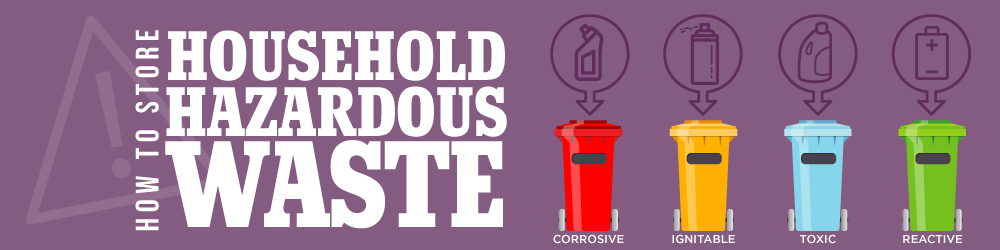
What is Hazardous Waste? Household hazardous waste can be categorized in four ways: ignitability, corrosivity, reactivity, and toxicity. Defined by the EPA as leftover household products that can catch fire, react, corrode or explode, homeowners are encouraged to store these products in safe spaces properly. Since most people are not familiar with potentially hazardous waste […]
What To Know About Hazardous Waste Material
There is a range of household products that are considered hazardous materials. The EPA defines hazardous waste/material as leftover household products that can catch fire, react, corrode, or explode under certain circumstances. Hazardous waste can be categorized into four distinct categories: ignitability, corrosivity, reactivity, and toxicity. Ignitability Ignitable wastes are products that can easily […]
The 5 Most Common Household Items That You Shouldn’t Throw Away

When cleaning up around the house, it’s typical to dispose of household items that you’re done with—that light bulb that’s been out for months, the dead batteries in your TV remote, and the last bits of bathroom cleaner that just won’t do the trick. It’s second nature to toss these items without giving a second […]