


Frequently Asked Questions
What types of pipes can be repaired with CIPP?
Cured-in-place pipe lining is usually compatible with a variety of different pipe materials, including clay, cast iron, PVC, and concrete. However, the condition of the existing pipe and its slope will determine whether or not it can be repaired with CIPP. Pipes that are severely damaged, totally collapsed, or malfunctioning due to sagging may not work well for pipe lining.
Is CIPP safe for drinking water pipes?
Cured-in-place pipe lining is typically used for sewer and drain lines, rather than potable water systems. This is because some CIPP methods utilize materials, such as styrene-based resins, that may release volatile organic compounds (VOCs) during the curing process, posing potential health risks if used in drinking water applications. Nevertheless, water lines may work well with alternative lining technologies.
How long does cured-in-place pipe lining last?
Although it varies on a case-by-case basis, CIPP can extend the life of a pipe by 50 years or more if it is installed properly.
Is excavation required for CIPP installation?
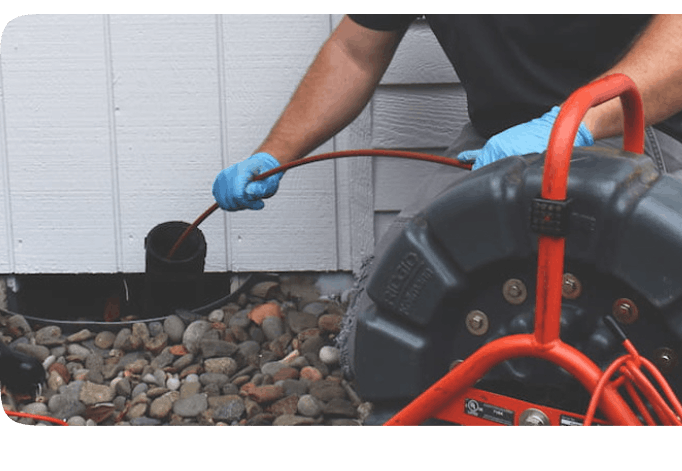
No, CIPP is a trenchless method, meaning that little to no excavation is needed if entry to the pipe is easily accessible.
How much do cured-in-place pipe liner services cost?
CIPP and other trenchless sewer repair methods typically cost between $1,900 and $6,000, depending on factors such as pipe length and condition, and the method used. However, trenchless methods often prove more cost-effective than traditional excavation due to reduced labor and restoration expenses.


