
Key Takeaways
- Why it matters – Understanding which service is most appropriate for the blockage you are experiencing can improve drainage more effectively, prevent recurring clogs, and extend the life of your plumbing system.
- Factors to consider – The suitability of hydro jetting vs snaking depends on the severity, frequency, and cause of the blockage.
- The big difference – Drain snaking is often more appropriate for smaller, isolated blockages, while hydro jetting provides a more thorough cleaning of the entire pipe interior.
Why the Right Drain Cleaning Method Matters
At first, a slow drain or a small backup may seem like only a minor inconvenience, but every clog must be addressed properly to avoid plumbing emergencies down the line. If you have tried some basic ways to unclog your drain, like using over-the-counter liquid cleaners, and the problem keeps coming back—or never went away in the first place—you should have a plumbing professional help identify which clearing method is most likely to support long-term function, hydro jetting vs snaking.
The main difference between snaking and hydro jetting a drain is how thorough they are. Snaking is generally better for smaller, one-off clogs, while hydro-jetting is designed for larger-scale pipe flushing. However, nuances may arise depending on the cause of the blockage and the condition of the pipes, which can affect suitability. The guide below carefully explains what hydro jetting is and when it is the better choice over snaking.
Nevertheless, if you have slow drains, recurring backups, or foul odors and gurgling noises from your pipes, contacting an experienced plumber is the best way to ensure you are taking the most effective course of action.
What Kind of Clog Are You Dealing With?
You could have anything from a minor buildup to a system-wide blockage. Different clogs require different approaches, so identifying the root cause is key to determining the most effective method, hydro jetting vs snaking.
During a plumbing inspection, a trained professional can use specialized tools to find the nature of the blockage, but you can tailor your expectations using the table below, which gives you an idea of what certain symptoms may mean.
| Symptom | What It May Indicate |
| Slow-draining sink or shower | Minor buildup or partial blockage |
| Complete backup | Severe obstruction |
| Recurring clogs | Deep buildup or pipe wall accumulation |
| Multiple drains affected | Main sewer line issue |
| Gurgling sounds or odors | Venting or sewer-related blockage |
What Causes Clogs?
Some common culprits for clogging sewer lines and waste pipes include:
- Hair buildup
- Grease and food waste
- Soap residue
- Mineral scale
- Tree root intrusion
The material causing the clog matters. For example, a small hair clog in a bathroom sink requires a very different solution from that needed for years of grease buildup in a kitchen drain line.
Understanding the type and severity of the blockage is always the first step before discussing the difference between snaking and hydro jetting a drain.
At Alpha Environmental, we use the latest methods to provide thorough sewer inspection and repair services.Keep Your Sewer System Functioning with Professional Support
How Drain Snaking Works (and When It’s Enough)
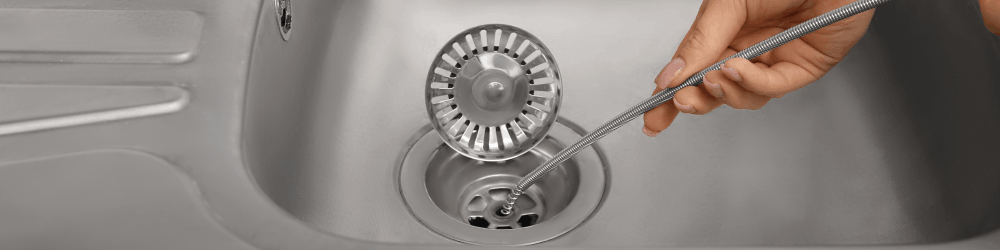
Drain snaking, one of the most common plumbing methods for removing clogs, follows a simple approach that can be broken down into three steps:
- A flexible cable known as a plumbing snake or drain auger is inserted into a pipe
- The snake is strategically used to physically penetrate the blockage and remove the obstruction
- Water starts to flow again, restoring function
In many cases, this provides a fast and effective solution for localized clogs.
Best Use Cases for Drain Snaking
Drain snaking is often best suited for small, isolated obstructions like:
- Hair clogs in sinks or showers
- Minor toilet blockages
- Single-fixture drainage issues
Although it can only target a specific blockage and doesn’t provide extensive cleaning, drain snaking has been an indispensable tool for quickly restoring flow in many easy-to-reach clogs.
The Limitations of Drain Snaking
Snaking creates an opening through whatever is causing the clog, but it does not fully clean the inside walls of a pipe, meaning residue and buildup may remain after the blockage is cleared.
Snaking focuses on clearing a path, while hydro jetting is designed to clean the entire pipe. This distinction is central to understanding the difference between snaking and hydro jetting a drain.
What Is Hydro Jetting?
Hydro jetting is a high-pressure drain-cleaning method designed to thoroughly clear plumbing pipes.
Hydro jetting uses specialized equipment to blast highly pressurized water through the pipe system to remove things like:
- Grease buildup
- Sludge and debris
- Mineral scale
- Soap residue
- Tree roots in some situations
What Makes Hydro Jetting So Special?
Unlike snaking, hydro jetting does not simply punch through a clog—it scrubs the interior walls of the pipe, helping restore full drainage capacity. This makes hydro jetting an especially effective solution for plumbing problems that keep returning after you have tried snaking.
Since it addresses both the clog and the surrounding buildup that contributes to future blockages, many plumbing professionals associate hydro jetting with pipe restoration and preventative maintenance. It is more than a simple clog-clearing method.
Key Differences That Impact Results
Although both methods are used to address drainage issues, the results of hydro jetting and drain snaking can differ significantly. To help explain, the table below highlights the core differences between these two approaches.
| Drain Snaking | Hydro Jetting |
| Breaks through clogs | Fully cleans pipe walls |
| Best for isolated blockages | Best for widespread buildup |
| Temporary relief in some cases | Longer-lasting results |
| Targets a specific obstruction | Restores pipe capacity |
| Lower initial cost | More comprehensive cleaning |
In summary, snaking is often sufficient for minor issues like a simple, localized blockage, while hydro jetting, on the other hand, is designed to remove buildup that contributes to recurring drainage problems. One method clears an obstruction, while the other restores the system more completely.
Another Differentiator: Time
Although it doesn’t impact results and shouldn’t play a role in what you go with, you should keep in mind that the time it takes to clean a line can vary depending on the method used. For instance, snaking a main line may take only 30 to 60 minutes, while hydro jetting may require 1 to 2 hours.
When Snaking Falls Short
Drain snaking is highly effective in the right situations, but there are cases where it may not fully resolve the issue; some potential examples include:
- Instances where clogs keep returning
- If grease has coated the inside of the pipe
- If scale buildup has narrowed the pipe diameter
- If the blockage is too deep within the system
- If you have multiple drains that are affected simultaneously
In situations like the ones above, a drain snake may still provide a temporary opening, but it can leave behind significant buildup. Even if the water starts flowing again, the remaining residue may quickly trap debris and recreate the blockage.
A Real-World Example
Most restaurant owners would agree that their kitchen lines accumulate thick layers of grease fairly quickly. Sure, in many cases, snaking can puncture the blockage as a temporary fix, but it usually does not remove the grease coating on the pipe walls.
If the same drain keeps clogging, it is often a sign that this surface-level cleaning method is not addressing the full problem. Get a quote from a commercial plumber in Portland to determine the best solution and the associated cost.
When Hydro Jetting Is the Better Choice
For addressing large-scale or recurring problems and for preventive maintenance, hydro jetting is often the preferred solution because it provides more thorough cleaning.
Some examples of situations where hydro jetting is especially effective include:
- If you are frequently dealing with drain complications
- If you have an older plumbing system with buildup
- In commercial kitchens with grease accumulation
- If you can’t find the reason your main sewer line backed up
Because hydro jetting removes residue from the pipe walls, it helps reduce the likelihood of future clogs forming quickly after service.
Now that you have a better idea of what hydro jetting is, hopefully, it is easier to understand that it is usually used by homeowners and businesses dealing with recurring issues.
Cost Considerations
The initial hydro snaking service usually costs more than a standard snaking service. However, it can reduce the need for repeat service calls and improve overall system performance, potentially saving you money in the long run.
Understanding the true value of hydro jetting requires recognizing that it is not just about clearing a blockage; it is about restoring the plumbing system’s condition and capacity.
What to Expect Before Hydro Jetting
Before hydro jetting, plumbers typically inspect the condition of the pipes using camera equipment or other diagnostic tools—this is called a sewer scope inspection, and it helps determine whether the plumbing system can safely handle the pressure.
During this examination, some things professional plumbers usually evaluate include:
- Pipe age and material
- Existing cracks or damage
- Corrosion levels
- Structural integrity of the system
Older or severely damaged pipes may require repairs before hydro jetting is appropriate.
Choosing the Right Solution for Your Plumbing System
There is a wide range of drain-cleaning services available, most notably hydro jetting and snaking. Choosing the right one predominantly depends on these four factors:
- The severity of the clog
- The frequency of the issue
- The type of buildup involved
- The plumbing system’s condition
Minor, isolated clogs often respond well to snaking. However, widespread buildup or recurring backups may require the deeper cleaning provided by hydro jetting.
Keep in mind that the goal should not simply be to restore temporary flow. It should be about identifying and resolving the root cause of the problem in the first place.
Safety and Pipe Considerations
Some homeowners fear that hydro jetting may damage their pipes because of the high water pressure involved. However, you can rest easy knowing that both snaking and hydro jetting are considered safe and effective methods, assuming they are performed correctly by trained professionals like those at Alpha Environmental Services.
Address the Source, Not the Symptom
Unfortunately, drain problems rarely improve on their own—in many cases, recurring clogs are signs of deeper buildup, aging infrastructure, or developing plumbing issues.
Choosing between snaking and hydro jetting can significantly affect the long-term performance of your plumbing system. Over the phone, Alpha Environmental Services can help you better understand the difference between snaking and hydro jetting. Then we can follow up by sending one of our trained professionals to your property to provide top-of-the-line plumbing services, where we will identify the source of the problem and recommend the most effective solution for your system. Whether you are dealing with a minor blockage or persistent backups, contact us to protect your pipes, improve drainage, and reduce the likelihood of future issues.