
Key Takeaways
- Most traditional water heaters have a lifespan of 8 to 12 years, but certain tankless models have been known to last upwards of 20 years. Their lifespan is best indicated by watching for warning signs.
- If homeowners know when to replace their water heater, they can better avoid unexpected breakdowns, water damage, and rising utility costs.
- Common signs to replace water heater units include inconsistent hot water, rust-colored water, unusual noises, visible leaks, and unexplained increases in energy bills.
- If you notice any warning signs, have a professional plumber inspect them. They have the training and experience needed to determine whether your water heater needs repair or replacement.
Why Replacing Your Water Heater at the Right Time Matters
Anyone who has comfortably washed their hands during one of Portland’s cold winters or enjoyed a warm bath or shower would agree that water heaters are among the most important systems in any home. Still, it can be easy for some homeowners to overlook these essential appliances, as they operate quietly in the background every day. However, they’re bound to draw attention when a home suddenly loses hot water or the unit causes an emergency plumbing issue.
You can avoid complications by being vigilant, monitoring your unit, and addressing signs to replace your water heater, such as inconsistent hot water and inexplicably high energy bills, especially if your system is older, as units become less efficient over time. When internal components wear down and sediment builds up, the unit has to work harder to produce the same amount of hot water, meaning it can quietly increase monthly energy bills before eventually causing a complete breakdown.
The guide below highlights some of the most noteworthy ways to tell when to replace a water heater so that you can make informed decisions.
How Long Does a Water Heater Typically Last?
With proper maintenance, traditional tank water heaters usually last 8-12 years, while some tankless water heaters have an average lifespan of 15-20 years.
Although the average unit lasts a substantial amount of time, some factors that can impact when you should replace water heater systems are:
- Water quality and mineral content
- Installation quality
- Frequency of maintenance
- Household water usage
For instance, homes in certain suburbs like Hillsboro or Gresham have been known to experience moderate water hardness—this can lead to faster sediment buildup than in places with softer water, potentially shortening water heaters’ lifespans. Similarly, neglecting maintenance can accelerate wear on some of the unit’s most important components and hinder its longevity.
Older Water Heaters Need More Attention
Although age alone does not always mean replacement is necessary, it is one of the strongest indicators for how to know when to replace water heater systems. So, if your unit is approaching or exceeding its expected lifespan, it is important to monitor it closely for the additional warning signs below.
5 Warning Signs It’s Time for a Replacement
There are several clear indicators that your water heater may be nearing the end of its usable life, some of which are gradual, while others can occur abruptly.
If any of the warning signs below rear their head, contact a licensed plumbing team like Alpha Environmental Services. Acting proactively can prevent complete failures.
1. Inconsistent Hot Water or Reduced Performance
One of the earliest indicators of a failing water heater is inconsistent performance, such as unexpected fluctuations in water temperature or running out of hot water faster than usual.
Inconsistencies and reduced performance are often the result of the natural wear that heating elements and internal components go through. As this happens, the unit becomes less capable of maintaining a steady supply of hot water.
Some common signs that your system is struggling to operate efficiently are:
- Water turns cold unexpectedly during showers
- Hot water runs out much faster than before
- Inconsistent water temperatures throughout the day
- Longer wait times for hot water
- Your house has low water pressure for hot water, specifically
This type of decline often occurs gradually, making it easy to ignore at first. However, declining performance is one of the clearest signs to replace a water heater, so you should still contact a professional plumber before a total system failure.
2. Rust, Discoloration, or Strange Odors
Water discoloration is another major indicator that a water heater may be deteriorating internally.
Traditional tank water heaters contain an anode rod, which is designed to attract corrosive elements and protect the tank itself from rust. Over time, this rod wears down. Once it is no longer effective, corrosion can begin forming inside the tank.
Signs of internal corrosion include:
- Rust-colored or brown water
- Metallic-smelling hot water
- Cloudy or discolored water coming from hot taps only
If discoloration occurs only with hot water, the issue is often directly related to the water heater rather than the overall plumbing system. Nevertheless, minor discoloration does not always mean replacement is immediately necessary, as it could just be due to flushable sediment—get a quote from a plumber in Portland to figure out what you are in for.
3. Unusual Noises and Sediment Buildup
Over time, minerals and sediment naturally settle at the bottom of water heater tanks. This process is expedited when the moderately hard water from the Columbia South Shore Well Field is used to supplement the main Bull Run supply during Portland’s high-demand summer months or in emergencies such as pipe leaks or fires.
As sediment accumulates, it hardens, creating a barrier between the burner and the water, forcing the system to work harder. This increases energy usage and accelerates wear on the tank itself.
Moreover, when water becomes trapped beneath the hardened sediment, it often produces unusual sounds during operation as it overheats and escapes the sediment barrier. So, keep an ear out for noises like:
- Popping
- Rumbling
- Banging
- Cracking
If your unit is making persistent noises, have a trusted plumber weigh in on whether you should replace your water heater or just implement small-scale repairs.
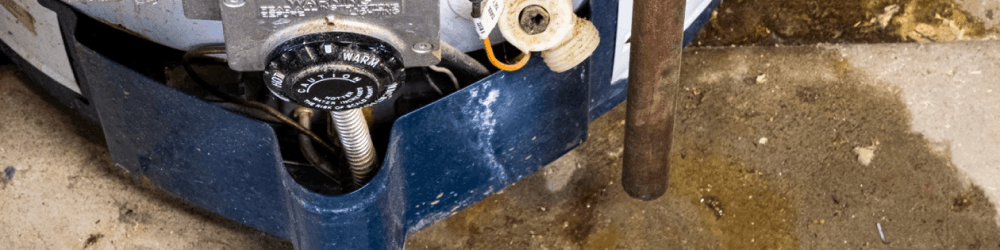
4. Leaks and Visible Damage Around the Unit
Visible moisture around a water heater should never be ignored. While small amounts of condensation can sometimes occur normally, actual leaks are a much more serious issue.
Some examples of ways water heater leaks may develop are:
- Cracks in the tank
- Failing valves or connections
- Internal water pressure problems
- Corrosion that has weakened the structure of the unit
Once the tank itself begins leaking, replacement is typically the only practical solution, as internal tank failures cannot usually be repaired safely or reliably. So, look for these four signs you have a leak:
- Pooling water around the base of the tank
- Moisture that continues returning after cleanup
- Rust or corrosion visible on the exterior
- Water stains near the unit
If you notice any of the four red flags above, contact a professional plumber to minimize the risk of water damage and the need for restoration.
Water damage restoration is a complex process, and it requires an expert company to do it right. Alpha Environmental provides peace of mind with our expertise.Trust The Professionals for a Thorough Water Damage Restoration
5. Rising Energy Bills Without Increased Usage
Another overlooked warning sign is a steady increase in energy bills without any major change in water usage habits.
As water heaters age, they lose efficiency. Internal wear, sediment buildup, and failing components force the system to consume more energy to maintain the same level of performance.
This often happens gradually, making it difficult to notice right away. Nevertheless, some energy-related signs that your water heater is no longer operating effectively are:
- Higher utility bills
- Longer heating times
- Reduced hot water efficiency
In many cases, homeowners focus on performance issues while overlooking the financial impact of an aging unit. However, unexplained increases in energy use are often among the strongest signs to replace water heater systems, giving homeowners a chance to act before a full breakdown occurs.
Repair vs. Replacement: Knowing When It’s Time
Not every water heater problem requires a full replacement—in some situations, one-off repairs can be a cheaper, more practical option. The table below gives examples of when repairs may make more sense vs when a replacement is a smarter long-term investment.
| When Repairs May Make More Sense | When Replacement Is Usually the Answer |
| The unit is relatively new | The system is near or beyond its expected lifespan |
| The issue is isolated or minor | Repairs are becoming frequent |
| Maintenance has been performed consistently | The tank is leaking, or a major internal component is failing |
| Repair costs are reasonable compared to replacement costs | The unit’s efficiency has noticeably declined |
The cost of repeated repairs can add up quickly, especially on older units. In many cases, replacing the system improves reliability and lowers operating costs over time. So, when Alpha Environmental is providing advice on when to replace water heater systems, we help homeowners weigh both immediate repair costs and long-term efficiency benefits.
How to Extend the Life of Your Water Heater
While all water heaters eventually need to be replaced, proper maintenance can help maximize their lifespan and reduce the likelihood of sudden failure.
Some important maintenance you should prioritize are:
- Flushing the tank regularly to remove sediment
- Inspecting and replacing the anode rod when needed
- Monitoring for leaks, noises, or performance changes
- Scheduling professional plumbing services like full-scale inspections and follow-up repairs
Knowing when to replace water heater systems starts with ongoing observation and preventive maintenance. Being proactive can help you maintain efficiency and catch smaller issues before they escalate into larger problems—don’t wait until the unit is already close to failure.
Plan Ahead to Avoid Sudden Failure
Recognizing the warning signs and replacing a water heater preemptively is almost always easier and less stressful than dealing with an emergency breakdown, which can put your property at risk of water damage and cause a sudden loss of hot water.
So, if your system is showing signs of decline or requiring repeated repairs, now may be the right time to evaluate replacement options. A trained professional from Alpha Environmental Services can help you figure out when to replace a water heater to get the best bang for your buck, while avoiding disruptions and maintaining reliable performance throughout your home.
Our team can also help you solve common plumbing problems associated with your water heater, as well as other appliances and fixtures. We provide professional plumbing inspections, maintenance, and replacement guidance to help homeowners in the Portland metro area choose the right solution for their needs.
Whether you are experiencing performance issues or simply want to assess your current water heater’s condition, call Alpha’s experienced professionals for help.