
Key Takeaways
- Portland properties’ pipes are prone to freezing during extended cold snaps, especially if they are exposed or in poorly insulated areas—the resulting pressure can cause cracks and ruptures in vulnerable or aging plumbing.
- Frost and complete blockages aren’t the only indicators of frozen pipes; unusual faucet noises and reduced water pressure are some other early warning signs.
- If a pipe freezes, property owners should open the affected faucet, safely identify the frozen section, use only gradual heat for intact accessible pipes, and shut off the main water supply if they notice a burst pipe or leak.
- To prevent frozen pipes, insulate vulnerable plumbing, seal drafts, maintain adequate indoor heat, and address recurring freezes before they lead to pipe failure and/or water damage.
Addressing Frozen Pipes Early On to Protect Your Property
A frozen pipe can start as a relatively small plumbing problem. You may turn on a faucet and notice a weak trickle or see some frost forming on an exposed section of piping. Some people just notice unusual bubbling or whistling sounds when they open a faucet due to the restricted water flow.
All three of these early warning signs deserve attention even if the rest of the home or building’s plumbing system appears to be working normally. Sometimes, an isolated pipe runs through a cold area and, therefore, only affects a limited number of fixtures, while water continues flowing elsewhere in the property. Still, even one or two frozen pipes can lead to an emergency due to the spike in water pressure caused by blockages.
The first step to prevent frozen pipes is identifying vulnerable plumbing throughout your property. With the knowledge from the guide below, you may be able to recognize common plumbing problems earlier and minimize the need for frozen pipe damage repair.
Why Are Frozen Pipes Even A Problem?
The pressure that the frozen pipes create is what usually causes an emergency, not the ice itself. The buildup of force pushes vulnerable piping to crack, leading to leaks or larger-scale pipe bursts that may only show up when the ice begins to thaw and water pressure returns.
Signs of Frozen Pipes
Some of the most common early warning signs of freezing plumbing pipes are:
- Inexplicably low water pressure
- Little or no water coming from a faucet
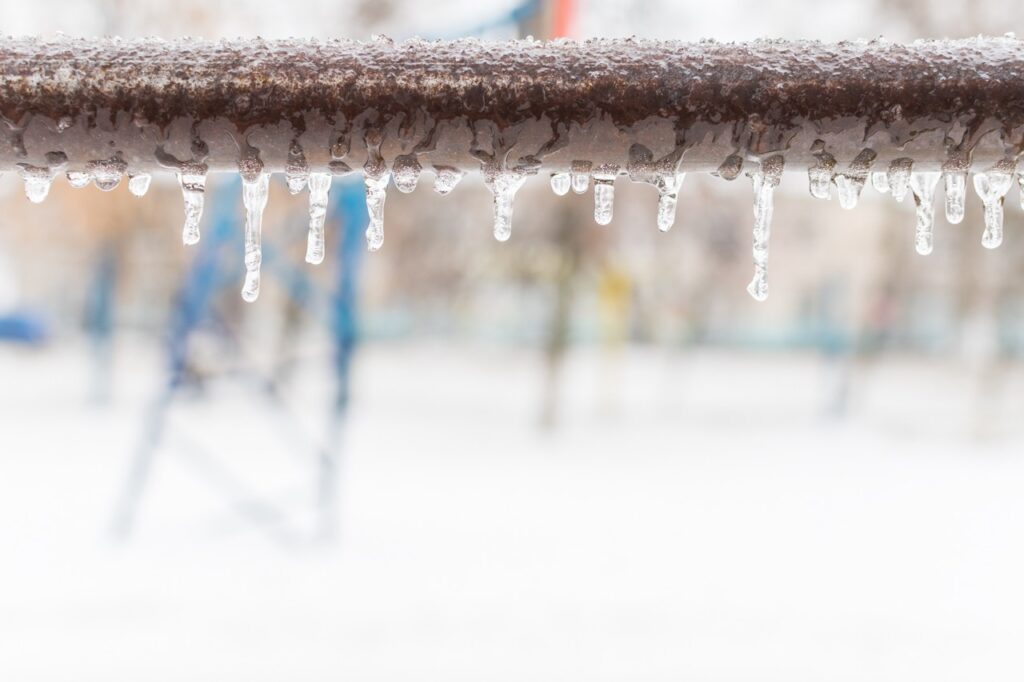
- Frost or ice visible on exposed pipes
- Unusual bubbling, whistling, or other faucet noises
If the problem has persisted for long enough, you may notice later-stage red flags like cracks, bulging, or leaks in exposed piping, which have the potential to cause water damage.
Portland Pipes Are Particularly Prone to Freezing
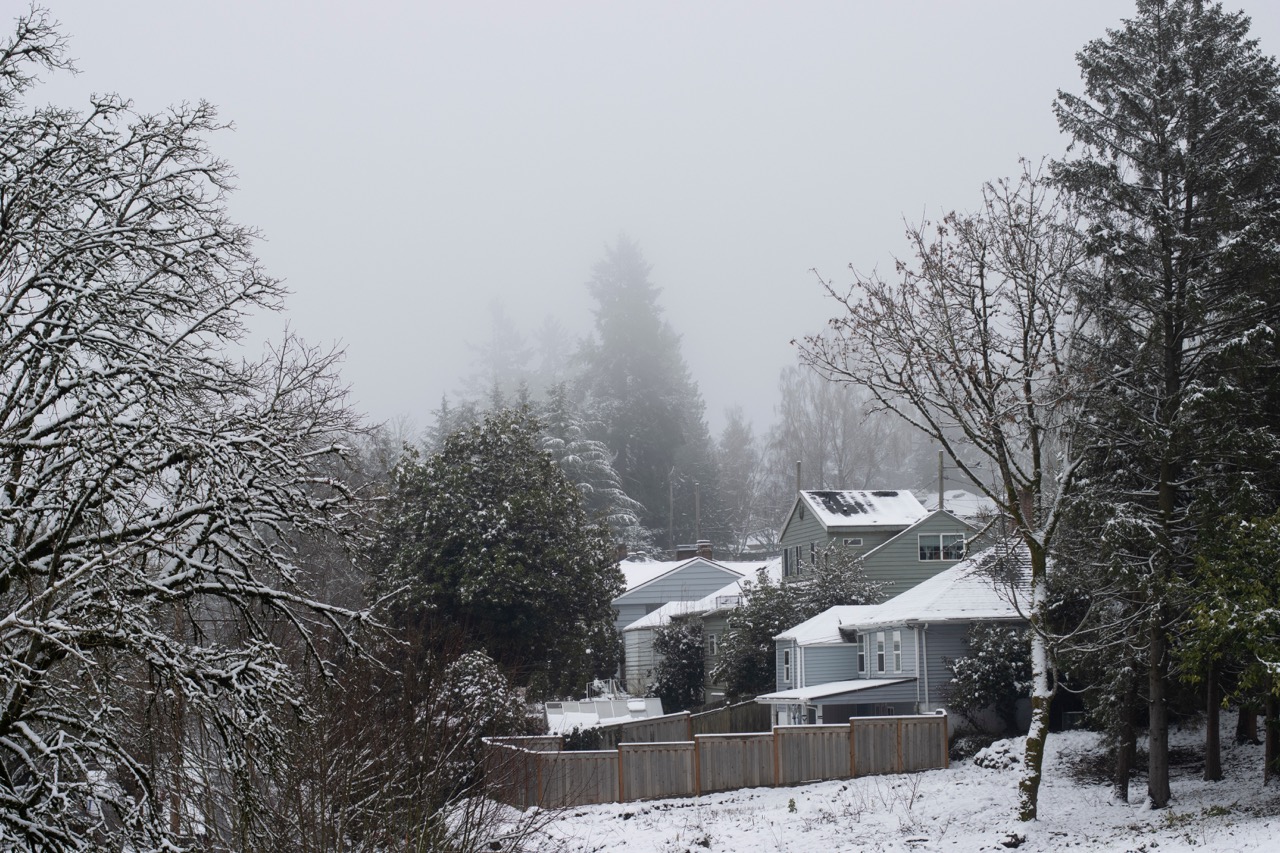
Despite its relatively mild climate, Portland still has cold snaps that can contribute to frozen plumbing pipes. When the temperature falls for an extended period of time, the water traveling through properties in the greater Portland area starts to expand as it turns to ice. The resulting pressure can place significant stress on vulnerable pipes and connections.
What Areas of the Property Are at the Highest Risk?
The risk is greater in areas where the plumbing is exposed to cold temperatures or needs better insulation. This can include pipes in places like:
- Exterior walls
- Crawlspaces and basements
- Garages
- Attics
- Utility rooms
Essentially, any unheated or poorly insulated spaces can be particularly vulnerable. Even pipes running near vents, doors, windows, or other openings can be vulnerable to freezing.
Older Properties May Be More Susceptible to Frozen Pipe Emergencies
In addition to its placement, the condition of plumbing can matter, too. Older, deteriorating, or already compromised pipes usually have less tolerance for the stresses associated with freezing and thawing. Unfortunately, this also means that a pipe that has frozen without an obvious problem in the past may still require frozen pipe damage repair after a future cold snap.
Understanding the risks associated with pipe placement and condition can help property owners in the greater Portland area prepare before temperatures drop.
What to Do When a Pipe Freezes
If you suspect a pipe has frozen, it is best to act promptly rather than waiting to see whether or not it resolves on its own. So, if you notice any of your sinks or bathtubs having low water pressure or making weird noises during the winter, follow these three steps:
- Open the affected faucet – Keeping the faucet open can provide an outlet for water and pressure as the ice begins to melt.
- Home in on the blockage – If you can safely access the plumbing, try to identify the frozen section. It may be located near an exterior wall or in another particularly cold area.
- Gauge severity – As you look for the source, you should also look for signs your property has a leak or other pipe complications.
If you discover that the pipe has burst, is actively leaking, or is showing signs of significant damage, shut off the home or business’s main water supply if you can do so safely. Reducing the flow of water can help limit additional damage while you arrange for emergency plumbing assistance.
For an intact, accessible frozen pipe, gradual thawing may be possible, but it is best to confirm with a trained plumber before trying.
How to Thaw Frozen Plumbing
Many property owners are able to melt ice and bring water pressure back down using a safe, gentle heat source to warm the affected area progressively. If this is the route you go, keep the heat moving rather than concentrating it on one small section of the pipe. Also, never use an open flame, torch, or other high-heat method to thaw plumbing, as excessive heat can damage pipes and surrounding materials and can create a serious fire hazard.
As the pipe thaws, pay close attention to the entire affected area. A crack or split may not become obvious until the ice melts and water begins moving through the pipe again. Again, one of the most important things to do if you have a water leak is shutting off the main supply and contacting a licensed plumber as soon as possible.
Problems May Set In Later
A frozen pipe can appear fine while it remains blocked, but that does not necessarily mean it escaped damage. The pressure created by freezing can cause a crack or split that only becomes apparent after the ice melts. Once normal water pressure returns, water may begin escaping through the damaged section. This is why homeowners should continue monitoring a previously frozen pipe even after water starts flowing again.
To get a better idea of whether you are in the clear, check exposed sections of the plumbing for visible changes like:
- Cracks
- Bulging
- Dripping
Pay extra attention to connections and joints, which may also be affected. If the pipe runs through a wall, ceiling, crawlspace, or other concealed area, look for signs of water intrusion nearby.
What Does Water Damage From Frozen Pipes Look Like?
Some of the most common types of water damage homeowners encounter that ultimately lead to them scheduling frozen pipe damage repair are:
- Wet drywall
- Staining
- Damp insulation
- Dripping from ceilings
- Pooling water
- Unexplained moisture in a crawlspace or other enclosed space
Contact a professional if you find a damaged pipe, significant leak, inaccessible frozen plumbing, or evidence that water has entered building materials. Prompt attention can help limit the extent of the damage and determine whether the affected pipe can be repaired or needs replacement.
Preventing Frozen Pipes During Portland Cold Snaps
Many Portlanders winter-proof faucets and water fixtures, but fewer give the same treatment to their pipes. Yet, the best time to prevent frozen pipes is before temperatures fall below freezing. Once a pipe is frozen, you are already dealing with an active plumbing problem.
Important Preventative Measures
Before an unusually cold forecast, take precautions rather than waiting for warning signs. Work through these five steps:
- Identify exposed or vulnerable plumbing around your property
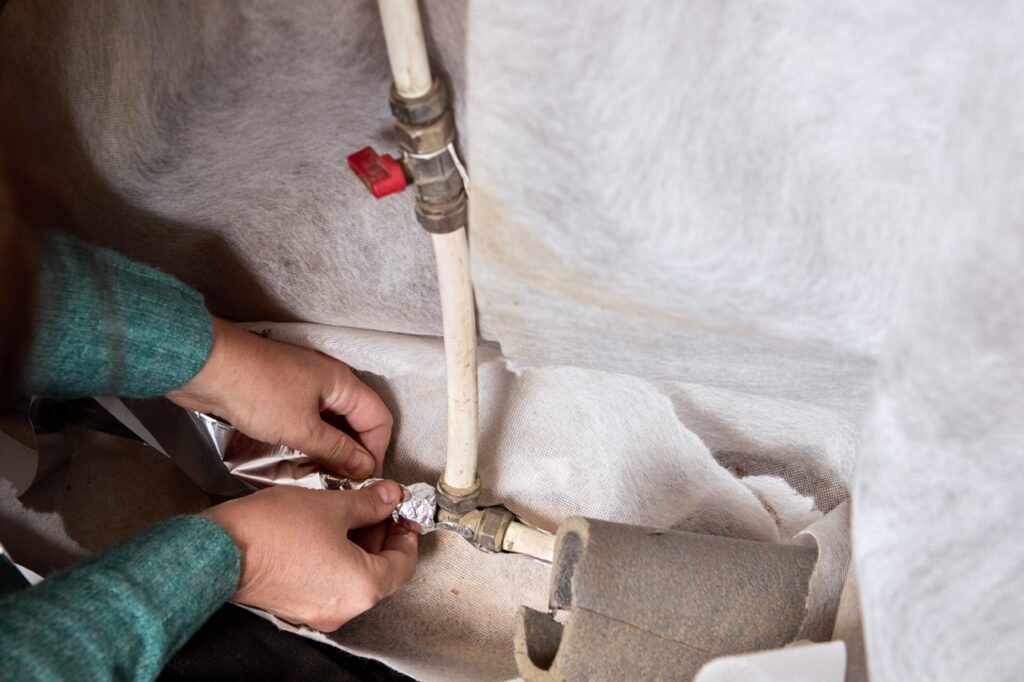
- Insulate accessible pipes in cold areas
- Seal drafts and openings that allow cold outdoor air to reach plumbing
- Maintain adequate indoor heat, especially overnight
- Open cabinet doors beneath sinks to allow indoor air to warm plumbing
The last step is particularly helpful when cabinet-housed pipes are located along exterior walls.
Letting a small amount of water flow through vulnerable fixtures may also be recommended in some circumstances, although it is important to consider your plumbing configuration and water-use needs.
What Is the Ideal Temperature to Prevent Pipes Freezing?
Unfortunately, there is no single temperature to prevent pipes from freezing because the risk depends on more than the outdoor temperature alone. Other factors that can affect whether a pipe freezes include:
- Pipe location
- Insulation
- Wind exposure
- Indoor temperatures
- The duration of the cold weather
- The condition of the plumbing
With this in mind, it is important to schedule plumbing inspections at an appropriate frequency to keep a pulse on your system’s health.
Know When a Frozen Pipe Needs Professional Attention
Some frozen pipes can be addressed before they cause major damage, but others spur hidden water leaks and other hard-to-detect problems that snowball. If you have an emergency frozen pipes situation involving a burst pipe, active leak, significant water flow, or water entering walls, ceilings, floors, or other building materials, shut off the water supply if possible and seek professional assistance.
Professional help is also appropriate when the frozen section cannot be accessed safely—pipes concealed behind walls or ceilings may require specialized tools and expertise, particularly when there is concern that thawing could release water into the structure.
Alpha Environmental Services has ample experience helping Oregonians deal with burst pipes, recurring freezing, or other plumbing-related water damage. So, if you live in the greater Portland area, you can lean on our licensed plumbers when it comes to inspecting vulnerable plumbing, repairing damaged pipes, replacing compromised piping, or whichever one of our plumbing services you may need.
Contact us today so we can help you fortify your property before Portland temperatures take a turn for the colder.