
Key Takeaways
- Goal – Learn how to identify hidden plumbing leaks before they lead to significant water damage, mold growth, or costly repairs.
- What to do – If you hear inexplicable running water, smell musty odors, or see discoloration, peeling paint, or unexplained increases in water bills, call a professional plumber for a thorough inspection.
- Where to look – You can check some vulnerable areas, such as beneath sinks, behind appliances, and around water heaters, but professionals are best equipped to assess leak potential behind walls and under slab foundations.
Why Hidden Leaks Often Go Undetected
Not every plumbing leak announces itself with a burst pipe or a puddle on the floor. In fact, many leaks cause gradual damage by quietly seeping into surrounding materials over weeks or months before homeowners recognize them as plumbing emergencies and call for help.
Since most water lines run behind walls, beneath flooring, inside ceilings, or through crawl spaces, detecting a water leak can be challenging for anyone, but homeowners in the Portland metro area have it especially hard. The Pacific Northwest’s wet climate can mask early signs of water intrusion, making hidden water leaks even more common. For example, a musty smell may be blamed on humidity, or a slight warping of the flooring may be attributed to seasonal temperature changes. Unfortunately, these subtle signs are often the first indicators of a larger problem.
The guide below will teach you where water-related problems typically occur and how they may manifest, so you have a better idea of how to detect water leaks. Nevertheless, having a professional come out is the best way to protect your property from long-term damage.
The Early Warning Signs Homeowners Commonly Miss
Even though many homeowners assume a plumbing leak will be obvious, the earliest indicators can be easy to overlook. Some examples of common warning signs are:
- Unexplained increases in water bills or reduced water pressure
- Mold or mildew growth (or accompanying musty odors)
- Soft or spongy drywall
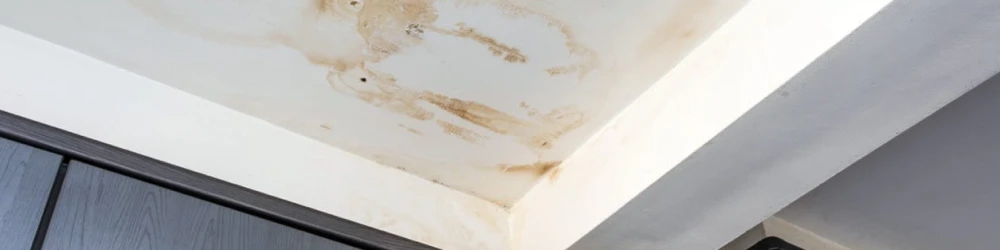
- Stained ceilings or walls
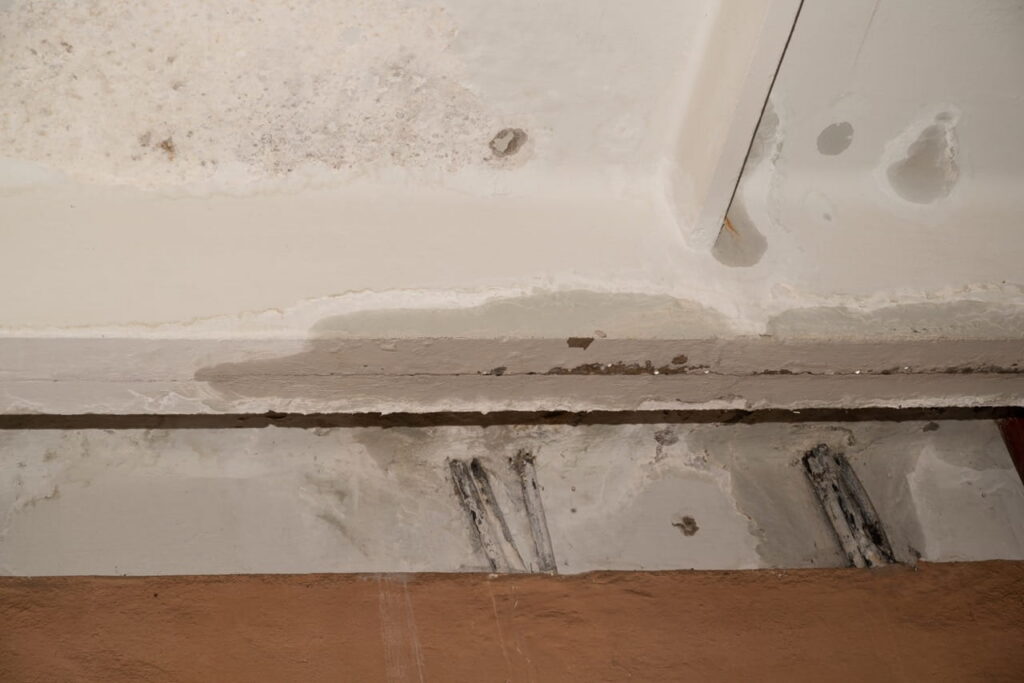
- Bubbling, peeling, or cracking paint
- Warped hardwood flooring or damp carpeting
These symptoms often appear gradually—a hidden leak may begin as a small drip that causes only minor moisture accumulation, but over time, the affected area can continue absorbing water and cause visible damage.
Pay Attention to Patterns
Sometimes, isolated incidents reveal a hidden water leak, but in most cases, paying attention to patterns is what provides the most clarity.
For instance, a high water bill by itself may not indicate a leak—it may be due to a guest showering at your home or an appliance on the fritz. However, if water usage continues increasing without any change in household habits, further investigation is warranted. Similarly, if you notice a musty smell that keeps returning despite cleaning efforts, there may be moisture trapped under the flooring or behind the walls.
Multiple warning signs appearing at the same time would be another example of when homeowners should schedule a plumbing inspection.
Where Hidden Leaks Are Most Likely to Develop
Certain areas of a home are more prone to hidden leaks than others. Understanding the high-risk locations mentioned below can make routine inspections significantly more effective.
Beneath Sinks
Kitchen and bathroom sinks contain multiple plumbing connections that have been known to loosen over time. If a homeowner has not consistently had a professional perform inspections and maintenance on these fixtures, these connections may have loosened, increasing the risk of small leaks around supply lines, drain fittings, or shutoff valves.
Behind Appliances
Appliances connected to water lines frequently become sources of hidden leaks. Some common examples include:
- Dishwashers
- Refrigerators with ice makers
- Washing machines
- Water filtration systems
Because the appliances mentioned above are rarely moved, leaks can remain unnoticed for extended periods.
Inside Walls
Supply lines often run through wall cavities where small leaks can slowly saturate drywall, insulation, and framing materials. This is one of the most common sources of hidden water leaks because the damage often remains concealed until staining or mold can be identified in the home.
Around Water Heaters
Water heaters can develop slow leaks around fittings, valves, or the tank itself. Even minor leaks can create substantial moisture problems if left unaddressed. Do not worry, if the issue is minor and isolated, it may not be time to replace the water heater; a repair may be sufficient, depending on the circumstances.
Under Slab Foundations
Some homes have water lines installed beneath concrete foundations. When these pipes leak, it can be hard to notice there is a problem until flooring damage, foundation issues, or other signs of moisture appear.
If you are wondering how to detect water leaks underground, tracking the water meter, listening for hissing noises with acoustic devices, and doing pressure tests are usually the best approaches.
Older Plumbing Connections
Plumbing materials deteriorate over time and lose efficacy. For example, aging pipes and worn fittings are particularly susceptible to leaks. So, homes with older plumbing systems, which are especially common in Oregon City and inner Southeast Portland, should be monitored particularly closely for signs of concealed moisture.

Simple Ways to Check for a Leak Yourself
Although professional equipment provides the most accurate results, homeowners can perform several basic checks to identify potential plumbing leaks.
Monitor Your Water Meter
One of the simplest methods for detecting a water leak is to check your water meter. Most plumbers recommend starting with these four steps:
- Turn off all water fixtures and appliances
- Record the meter reading
- Avoid water use for several hours
- Check the meter again
If the reading changes even with no water usage, a leak may be present somewhere in the system.
Inspect for Discoloration
Water often leaves visible evidence behind. Some examples of things you can look for on ceilings or walls are:
- Yellow or brown stains
- Bubbling paint
- Soft drywall
- Warped baseboards
Many homeowners dismiss the instances above as signs of normal aging, but, surprisingly, they can be signs that your home has a leak or hidden moisture of some kind.
Listen for Running Water
If you hear water running when no fixtures are in use, further investigation is highly recommended. Therefore, you should pay close attention to things like:
- Hissing sounds inside the walls
- Dripping noises
- Running water beneath floors
Isolate Plumbing Fixtures
Turning off individual fixtures or appliance supply valves can help narrow down the source of unusual water usage. If the water meter movement stops after isolating a specific appliance, the issue may originate there.
Monitor Water Pressure
Unexpected drops in pressure sometimes indicate a leak within the plumbing system. There can be many reasons why your house has low water pressure, so it is not guaranteed that it is due to a leak. Nevertheless, widespread reductions in pressure deserve further evaluation.
These DIY methods can be valuable tools for how to detect water leaks, but they do have limitations, especially since finding evidence of a leak is not always the same as locating the exact source.
How to Detect Water Leaks Underground
As mentioned earlier, underground plumbing leaks can be particularly difficult to identify because the damaged pipe remains completely out of sight.
Any homeowner wondering how to detect water leaks underground before major damage occurs should look for these warning signs:
- Persistently wet spots in the yard
- Inexplicable patches of green grass
- Soil erosion or foundation moisture issues
- Sudden increases in your water bill
- Reduced water pressure
- Sounds of running water, even when no fixtures are operating
Professional leak detection services are the most effective way to accurately detect leaks underground—licensed plumbers have the advanced diagnostic tools needed to identify moisture, typically without requiring extensive excavation or guesswork.
What Early Water Damage Usually Looks Like
Water rarely remains confined to a single area, so a leak can spread to nearby materials and gradually affect surrounding structures, leading to various types of water damage. You can minimize overall damage by looking out for the early forms of water damage mentioned below.
- Drywall damage – Moisture can weaken drywall and cause soft spots, staining, bulging surfaces, and peeling paint.
- Flooring problems – Leaks beneath the flooring may lead to warped hardwood, loose tiles, buckling laminate, and damp carpeting.
- Insulation deterioration – Wet insulation loses effectiveness and may contribute to mold growth, which is one of the top indoor air quality pollutants.
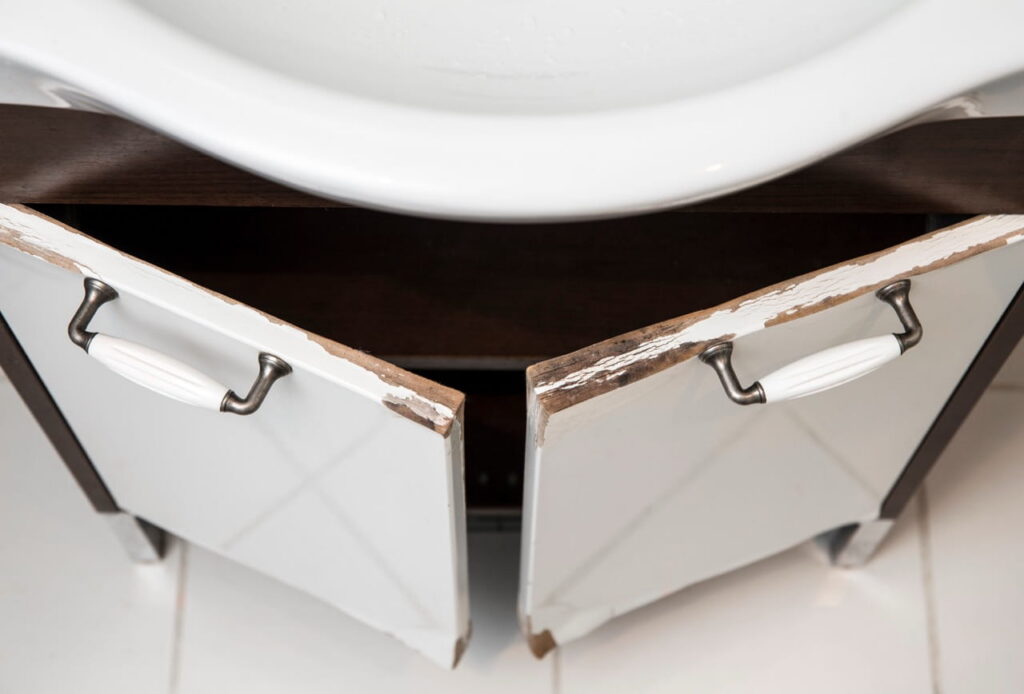
- Cabinet damage – Kitchen and bathroom cabinetry often absorbs moisture from nearby plumbing leaks. You may notice the materials start to swell, delaminate, discolor, and soften.
Indoor Air Quality Concerns
In addition to the list in the section above, look out for things like:
- Musty odors
- Visible mold growth
- Increased allergy symptoms
These can be signs of mold and mildew growth, which is fueled by persistent moisture. Mold can lead to poor indoor air quality and decrease comfort in your home, so early detection is important. In general, addressing a leak early is often less expensive than widespread mold removal and water damage restoration later down the line.
When Professional Leak Detection Makes Sense
While homeowner inspections can identify many warning signs, certain situations justify professional assistance. Some examples of when professional leak detection would be recommended are:
- Water bills continue increasing without explanation
- Moisture problems repeatedly return
- Mold growth appears without an obvious source
- Water pressure drops suddenly
- Plumbing systems are inaccessible
- Underground leaks are suspected
When do-it-yourself inspections fail to identify the source, hiring a licensed plumber is your best bet for identifying moisture behind walls, beneath flooring, inside ceilings, and under foundations. Professional leak detection equipment offers greater precision than visual inspections alone.
What Leak-Detection Tools Do Professional Plumbers Have?
Some advanced tools that plumbing contractors use to detect leaks include:
- Acoustic leak detection equipment
- Moisture meters
- Thermal imaging technology
- Specialized plumbing diagnostics
Rather than relying on trial-and-error repairs, using an equipment-forward approach helps pinpoint the source of the issue quickly and accurately.
Alpha Environmental Services helps homeowners identify moisture-related concerns, evaluate potential plumbing issues, and determine the extent of existing water damage. Early investigation often prevents small problems from becoming major restoration projects.
Protect Your Home by Acting Early
Learning how to detect water leaks allows homeowners to intervene before moisture affects structural materials or indoor air quality. You should monitor water usage and pay attention to discoloration and unusual smells. Additionally, you should regularly inspect vulnerable areas, like behind toilets and under sinks, to identify hidden leaks sooner.
If something seems unusual, do not wait for visible structural damage to confirm your suspicions. If you live in the greater Portland area, Alpha Environmental Services can help evaluate potential leaks, identify moisture issues, and recommend appropriate next steps to protect your home and avoid more extensive repairs.
Contact our team today to rule out leaks and get the peace of mind you deserve.