

Executive Summary
- The debate around tank vs tankless water heater systems is growing as Portland homeowners look for ways to improve efficiency, lower utility costs, and replace aging equipment.
- Tankless systems heat water on demand, leading to energy savings, space efficiency, and endless hot water as long as demand remains within their capacity. However, they often come with higher upfront installation costs.
- Traditional tank water heaters are popular because their simple installation allows for lower replacement costs—they also support several fixtures simultaneously, whereas a tankless unit’s heating capacity may be exceeded.
- A professional plumber can help you weigh the benefits of a tankless water heater vs a tank system and offer guidance after evaluating your household’s water usage, budget, home infrastructure, and long-term ownership goals.
Why More Homeowners Are Considering Tankless
According to the U.S. Department of Energy, water heaters account for approximately 18% of your energy bill. Since they are among the largest energy consumers, homeowners should thoughtfully compare replacement options when their existing unit reaches the end of its service life, rather than automatically installing another traditional tank model.
Tank models take up a lot of space and waste energy by storing water and constantly heating it, even when fixtures are not in use. On the other hand, tankless models heat water on demand, meaning they take up less space and save energy. However, tankless models typically cost more upfront and may not supply multiple fixtures simultaneously. So, you must consider many factors when choosing between tank vs tankless water heaters, from family size and daily water usage to available space, existing utility infrastructure, and long-term budget.
Consulting a professional plumber is the best way to make a decision that balances efficiency and practicality. Still, you can educate yourself on the benefits of tankless water heaters vs tank systems using the guide below, so you will have a loose understanding when you call for help.
What Is the Difference Between Tank vs Tankless Water Heaters?
The biggest difference between traditional and tankless systems is how they produce and deliver hot water.
A traditional tank water heater continuously stores and heats a set amount of water—typically 40 to 80 gallons—and keeps it hot in the tank until it is needed. A tankless system, by contrast, heats water on demand as it flows through the unit. Instead of storing hot water, it produces it only when a fixture or appliance calls for it.
Unique Features of Each System Type
The table below highlights some of the most noteworthy features that distinguish tank vs tankless water heaters.
| Feature | Tank Water Heater | Tankless Water Heater |
| Hot water storage | Yes | No |
| Hot water supply | Limited by tank size | Continuous while operating |
| Standby energy loss | Present | Minimal |
| Space requirements | Larger footprint | Compact, wall-mounted design |
| Average lifespan | 8–12 years | 15–20+ years |
| Initial installation cost | Lower | Higher |
These differences influence day-to-day performance in several ways.
How These Systems Perform Differently Day to Day
A traditional tank can support multiple fixtures simultaneously, provided there is sufficient hot water in the tank. Once the stored supply is depleted, the system requires recovery time to heat more water.
A tankless unit avoids this limitation by generating hot water continuously. However, every tankless model has a maximum flow rate that can be exceeded when multiple fixtures are in use. For example, if you are running a shower, a washer, and a faucet all at the same time, the hot water may not be consistent across fixtures.
Therefore, household size and usage patterns play such an important role when comparing a tank vs tankless water heater.
Where Tankless Systems Have the Advantage
Thanks to their newer technology, tankless systems often provide meaningful benefits; the most notable of which are listed below.
Endless Hot Water
One of the most commonly cited advantages is continuous hot water. Because tankless units heat water on demand, homeowners do not have to worry about one of the most common plumbing problems, exhausting a storage tank during normal usage. In other words, you will not run out of hot water halfway through your shower, unless too many fixtures are operating at once.
Reduced Energy Waste
Traditional tank water heaters constantly reheat stored water so it is ready when you need it, which creates standby energy losses that can hike up your utility bill. Thankfully, tankless systems largely eliminate this issue by only operating when hot water is needed.
Space Savings
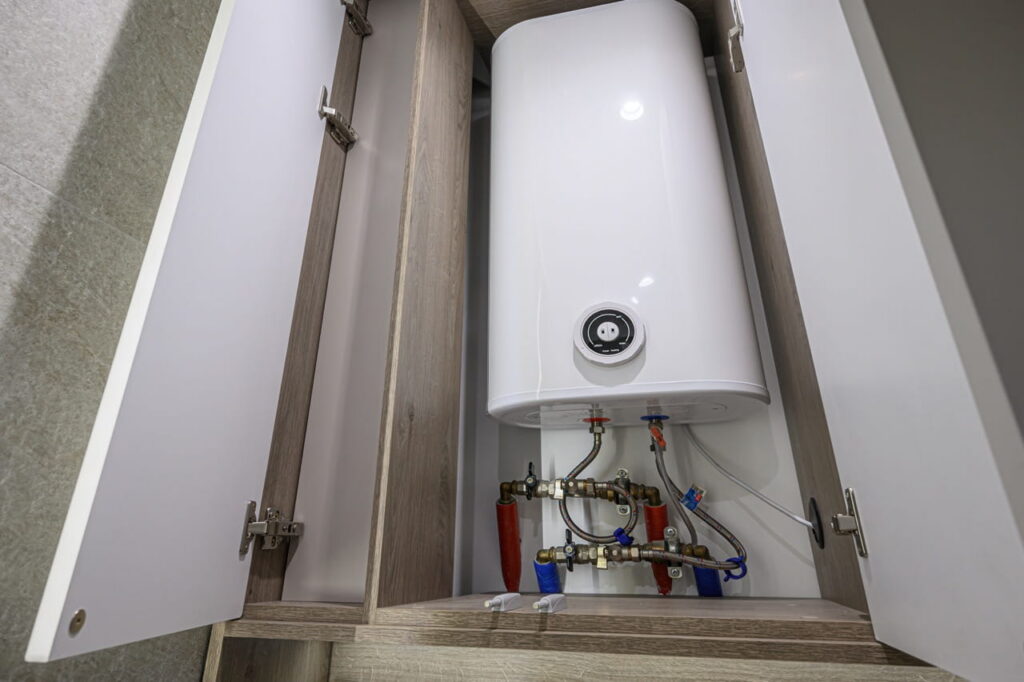
Tankless units are significantly smaller than traditional tanks, and they are often mounted on walls. This can free up valuable storage space in your utility room, garage, or basement.
Longer Lifespan
Many tankless systems remain operational for 15 to 20 years or more when properly maintained. This often exceeds the lifespan of traditional tank models, which usually hovers around 8-12 years.
The Downsides of a Tankless Water Heater
Despite the benefits mentioned above, tankless systems are not without drawbacks. Some examples of potential limitations are:
- Potentially higher purchase and installation costs
- May require electrical or gas service upgrades
- More complex venting requirements
- Flow rate limitations during peak demand
Understanding these trade-offs is essential when evaluating the benefits of tankless water heater vs tank systems and deciding which is right for you.
Who Are Tankless Water Heaters Best For?
Some examples of households that this type of water heater can be especially appealing for are:
- Smaller households with consistent usage patterns
- Homes with limited mechanical room space
- Homeowners focused on long-term energy efficiency
- Properties planning to reduce energy consumption
If you do not fall into any of these categories, your situation may be best suited for a traditional tank water heater instead.
Why Tank Water Heaters Still Make Sense
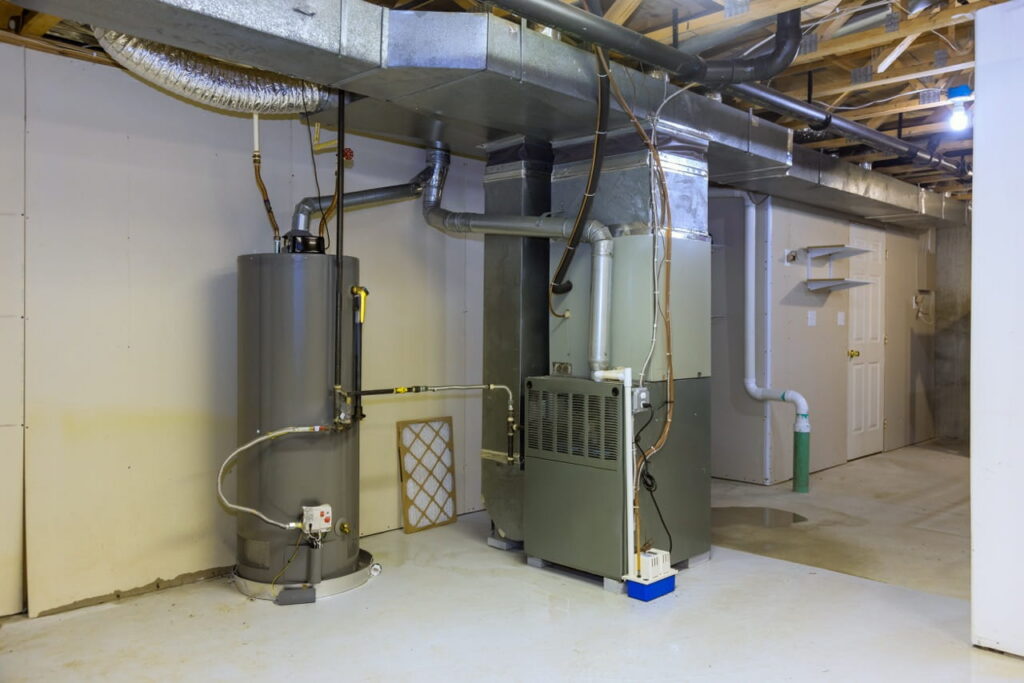
Despite the growing popularity of tankless technology, especially in the Portland metro area, traditional water heaters continue to serve millions of households effectively. The benefits mentioned below are what make modern tank water heaters highly practical for many homeowners.
Lower Upfront Costs
Traditional tank systems generally cost less out of pocket. This is partly because these types of units cost less to purchase, but most of the savings come from the less laborious installation process. In many homes, replacing an existing tank unit with a similar model requires minimal plumbing or utility modifications, saving workers time and homeowners money.
Less Disruption During Installation
As mentioned in the point above, the installation process is often more straightforward for this type of unit because many homes are already configured for tank systems. So, when it is time to replace a water heater, sticking with a tank unit can help the job get done more quickly by avoiding the additional plumbing work required to switch from a tank to a tankless unit.
Strong Simultaneous Usage Performance
If you have a larger family, chances are that multiple people often need hot water at the same time. To facilitate this, a properly sized tank can support multiple showers, laundry equipment, dishwashers, and kitchen fixtures simultaneously until the stored hot water supply is exhausted.
Proven Reliability
Tank systems have decades of established performance history, and familiarity can go a long way, not just for the homeowner but for contractors too. A tank water heater’s simplicity often makes relevant residential plumbing services more straightforward than with some tankless configurations.
For households with predictable usage patterns and a limited budget, a traditional tank may remain the most practical solution.
Comparing Long-Term Costs and Maintenance
Even though tank water heaters usually have a lower upfront cost, long-term ownership costs are equally important to consider. The table below illustrates how costs often differ over time for owners of a tank vs tankless water heater.
| Consideration | Tank Water Heater | Tankless Water Heater |
| Initial cost | Lower | Higher |
| Installation cost | Lower | Often higher |
| Energy efficiency | Moderate | Higher |
| Maintenance needs | Moderate | Moderate to higher |
| Lifespan | 8–12 years | 15–20+ years |
| Replacement frequency | More frequent | Less frequent |
Tankless systems often deliver energy savings over their lifespan because they avoid standby heat loss. However, the actual financial benefit varies significantly from household to household.
Factors that Influence Cost Savings
Some examples of factors that can influence the cost savings offered by your water heater are:
- Daily hot water usage
- Local utility rates
- Maintenance costs
- Installation complexity
- Length of home ownership
For some families, energy savings may eventually offset higher installation costs. For others, the financial difference may be less dramatic. This is why evaluating the benefits of tankless water heater vs tank systems requires looking beyond utility bills alone—a complete cost analysis should include installation expenses, maintenance requirements, repair costs, and expected lifespan.
What Homeowners Often Overlook
Understandably, many homeowners focus heavily on purchase price or advertised efficiency ratings. However, it is important not to overlook other important considerations, such as:
- Venting requirements – Tankless gas systems often require specialized venting materials and configurations. Keep in mind that upgrading venting can significantly increase installation costs, depending on the property’s setup.
- Utility capacity – Tankless units frequently require larger gas lines or upgraded electrical service—without these modifications, the system may not perform as intended.
- Maintenance expectations – While both systems require maintenance, tankless units typically need regular descaling in areas with hard water. Neglecting this task can reduce efficiency and shorten equipment lifespan.
- Proper sizing – An undersized tankless system may struggle during periods of high demand. Conversely, an oversized tank can lead to unnecessary energy use and higher purchase costs.
The overall success of either system depends on how well it integrates with the home’s existing infrastructure. This is why a professional plumbing inspection plays an important role when choosing between a tank and a tankless water heater. Even the most efficient equipment can underperform if improperly sized or installed.
Choosing the Right Fit for Your Home
There is no universal winner in the tank vs tankless water heater debate because the best option depends on how your household uses hot water and what priorities matter most to you.
On the one hand, a tankless system may be ideal if you want maximum energy efficiency, have limited space, and your household has moderate and predictable hot water usage. However, a traditional tank system may be preferable if you want lower upfront costs, your existing infrastructure supports easy replacement, and budget predictability is a major concern.
The most effective way to make this decision is through a comprehensive evaluation of your home’s plumbing system, energy infrastructure, and daily water usage patterns. If you live in the greater Portland area, Alpha Environmental Services can evaluate existing equipment, review installation requirements, and go over efficiency goals to help you make an informed decision.
If you are considering replacing an aging water heater, schedule an evaluation to get valuable insight into which solution best aligns with your home’s needs.