
Key Takeaways
- How plumbing upgrades boost efficiency – Modernizing your plumbing system can reduce water waste and improve water flow, while also minimizing the risk of leaks and other complications.
- Repairs vs upgrades – While repairs can resolve isolated issues, upgrades tend to provide greater long-term value for aging or frequently repaired plumbing systems.
- When to consider plumbing upgrades – If you are subjected to inconsistent water pressure, recurring leaks, or frequent repairs, or you notice discolored water, noisy pipes, or rising utility bills, schedule a professional evaluation.
Why Older Plumbing Systems Become Less Efficient Over Time
Unfortunately, nothing lasts forever, and plumbing systems are not an exception. These complex, integrated networks of pipes, valves, fixtures, and drains gradually lose performance as their components experience years of everyday use. Even if homeowners notice a sudden leak or a fixture failure, chances are the underlying decline had been occurring for much longer.
Several factors contribute to reduced plumbing efficiency, including corrosion inside metal pipes, mineral buildup from hard water, and deteriorated components like worn valves or seals. As these issues develop, water may struggle to flow efficiently through the plumbing system, causing fixtures to deliver inconsistent pressure, forcing appliances to work harder, and encouraging leaks to pop up.
These issues shouldn’t just be brushed off as a part of owning an older home—declining efficiency should be addressed with strategic plumbing system upgrades to improve both performance and long-term reliability.
The guide below can help you learn more about modern plumbing upgrades and how they could benefit your property.
What Needs the Most Attention
Older galvanized steel pipes are especially prone to internal corrosion. As rust and mineral deposits accumulate inside the pipe, the diameter gradually narrows, restricting water flow throughout the home. The result can mimic some of the signs of a leak, such as weaker water pressure or inconsistent performance from multiple fixtures.
In addition to properties with galvanized steel pipes, ones with outdated plumbing fixtures also deserve extra attention, as older toilets, faucets, and showerheads have been proven to use significantly more water than modern high-efficiency alternatives without providing any additional performance benefits.
How This Applies to Oregon
The older homes in the Portland metropolitan area, which are mainly clustered in inner Southeast and Northwest Portland, often have galvanized steel piping and outdated fixtures, as many of them were built in the late 1800s through the 1920s when these materials and fixtures were popular. Therefore, areas like Ladd’s Addition, Buckman, the Alphabet District, and Goose Hollow are common places for modern plumbing upgrades.
The Plumbing Upgrades That Make the Biggest Difference
When making plumbing system upgrades, you usually don’t have to replace everything at once. Many homes can still make a big difference with targeted improvements that address specific problem areas while extending the life of the overall system.
Below are some of the best plumbing upgrades for older homes that usually can be handled one at a time if desired.
High-Efficiency Plumbing Fixtures
Replacing older fixtures with modern alternatives can significantly reduce water consumption without sacrificing performance. Some examples of contemporary fixtures commonly seen in the Portland metro area are:
- Low-flow toilets
- Water-efficient showerheads
- High-efficiency or touchless faucets
These upgrades typically result in a reduction in utility costs while simultaneously improving everyday convenience.
Modern Pipe Materials
Galvanized piping, which was a common building material in the 1800s and early 1900s, has a protective zinc coating that easily degrades over time, leaving the steel underneath vulnerable to rust and corrosion. Swapping galvanized steel out for modern piping materials can offer improved durability and a higher level of corrosion resistance that can solve some of the most common plumbing problems, such as clogs and low water pressure.
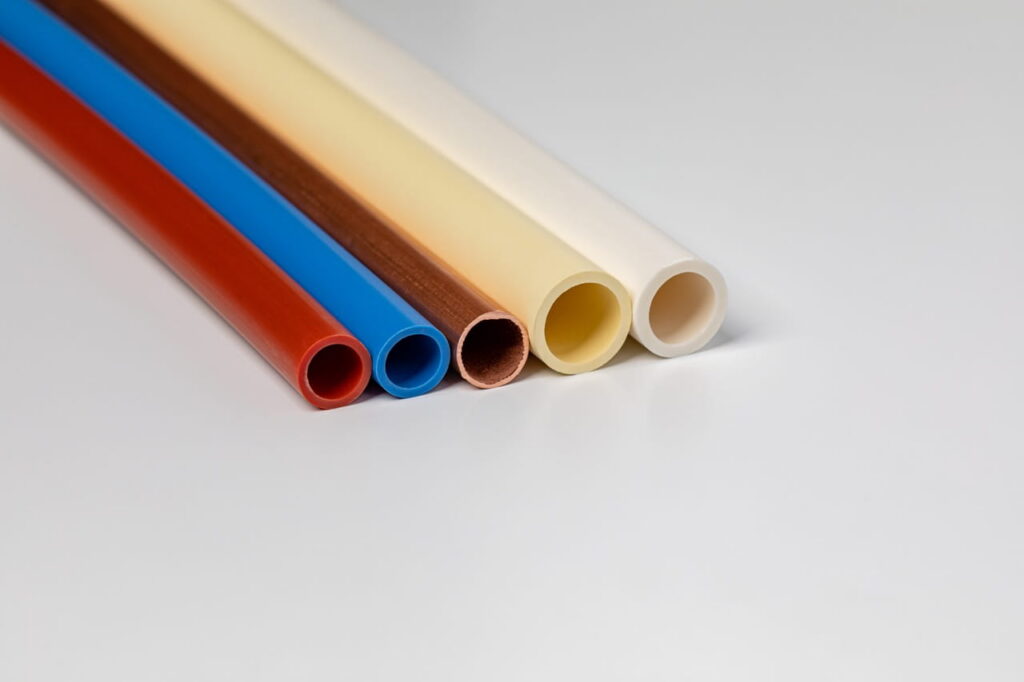
The three most prominent materials these days include:
- PEX piping
- Copper piping
- CPVC piping
Compared to aging galvanized steel pipes, the materials above are more reliable, leaving plenty of homeowners with far less internal corrosion and mineral buildup.
Updated Shutoff Valves
Many older homes still rely on aging shutoff valves that become difficult to operate over time. Replacing them with modern quarter-turn ball valves improves reliability, making emergency water shutoffs faster and easier. Making this upgrade can help prevent bathroom flooding from getting worse, as shutting off the water supply is often the first and most effective course of action a homeowner can take in a situation like that.
Pressure Regulators
Excessively high water pressure can accelerate wear on nearly every aspect of your plumbing system, including key components like:
- Pipes
- Fixtures
- Water heaters
- Appliances
Installing or replacing a pressure-reducing valve helps maintain consistent pressure throughout the home while reducing unnecessary strain on the plumbing system.
Water-Saving Toilets
Older toilets may use several gallons of water every single time they are flushed. Modern models achieve excellent performance while using considerably less water, making them one of the best plumbing upgrades for older homes, especially considering they can contribute to more eco-friendly practices at large.
According to research released from the Alliance for Water Efficiency and Plumbing Manufacturers International, water-efficient toilets have the potential to save up to 170 billion potable gallons of water every year across five states facing water scarcity—that is enough water for 10 billion showers, more than one for every person on the planet.
Kitchen Plumbing Upgrades
Focusing on your kitchen’s plumbing is another great way to improve both efficiency and functionality. Six of the most popular kitchen plumbing upgrades for Oregon homes include:
- Adding pull-down kitchen faucets
- Incorporating touchless faucet technology
- Replacing garbage disposals
- Installing water filtration systems
- Adding instant hot water dispensers
- Updating sink plumbing
Bathroom Plumbing Upgrades
Similarly, modernizing your bathroom’s plumbing has been known to improve comfort while reducing water usage. Some of the most noteworthy bathroom plumbing upgrades asked of Portland-based contractors are:
- Water-saving showerheads
- Modern faucets
- Dual-flush toilets
- Pressure-balanced shower valves
- Updated sink drains
- New supply valves
Again, since many of these upgrades can be done independently, rather than replacing every plumbing component simultaneously, homeowners have the opportunity to prioritize improvements that provide the greatest return on investment first.
Signs Your Plumbing System May Need an Upgrade
If they don’t have the guidance of a knowledgeable plumbing contractor like Alpha Environmental Services, many homeowners continue repairing individual plumbing components without realizing the entire system has begun showing its age. Our team can help you catch recurring issues that indicate that modern plumbing upgrades may be a more practical long-term solution.
Some common warning signs that it may be time for some modern plumbing upgrades include:
- Inconsistent water pressure – Low or fluctuating water pressure throughout the home may indicate aging pipes, corrosion, failing pressure regulators, or deteriorating plumbing components.
- Frequent leaks – Occasional leaks happen in nearly every home. However, repeated leaks in different locations may suggest the plumbing system itself is beginning to deteriorate.
- Discolored water – Brown, yellow, or rusty water often indicates corrosion inside aging water supply pipes or plumbing fixtures.
- Noisy pipes – Banging, rattling, whistling, or vibrating pipes may result from loose supports, excessive water pressure, worn valves, or aging plumbing materials.
- Rising utility bills – Increasing water bills without changes in household usage may point to hidden leaks, inefficient fixtures, or plumbing components that no longer operate efficiently.
Another telltale sign is recurring repairs—if you find yourself calling a plumber several times each year for unrelated repairs, investing in plumbing upgrades may ultimately cost less than continually fixing aging components.
How Modern Plumbing Can Reduce Future Repair Costs
Many homeowners look at plumbing improvements as optional expenses. In reality, having a specialist replace aging components before they fail is an effective way to reduce long-term ownership costs. This is mainly because older plumbing systems become increasingly susceptible to things like:
- Pipe leaks
- Fixture failures
- Water damage
- Corrosion
- Reduced water pressure
The most common plumbing emergencies, such as burst or leaking pipes or sewer backups, rarely occur at convenient times, so it is better to take the steps necessary to avoid them altogether. Strategic plumbing system upgrades help reduce these risks by replacing vulnerable components before failure occurs.
Real-World Examples
If a homeowner replaces an aging shutoff valve before it seizes, they can make emergency water shutoffs much easier, so they’ll be able to minimize damage if they have a leak or a flood from a piping issue. To be even more proactive, the homeowner may be able to replace corroded supply lines before leaks develop in the first place, potentially avoiding costly repairs to the surrounding drywall, flooring, and cabinetry altogether.
Rather than viewing upgrades solely as expenses, homeowners should consider them preventative investments that improve both efficiency and long-term property protection.
When It Makes Sense to Upgrade Instead of Repair
Nevertheless, not every plumbing problem requires replacement. In many situations, repairing an existing component remains the most practical solution.
Although each situation is unique, the table below can give you a better idea of which professional plumbing services may be best suited for your specific situation.
| When Repairs Often Make Sense | When Upgrades Often Make More Sense |
| The plumbing component is relatively new | The plumbing system is several decades old |
| The issue is isolated | Repairs have become increasingly frequent |
| The overall plumbing system remains in good condition | Multiple plumbing components show signs of wear |
| Repair costs are relatively low | Water efficiency has noticeably declined |
| The fixture or appliance still has many years of expected service life remaining | Remodeling projects are already planned |
Combining Upgrades with Remodeling
Homeowners renovating kitchens or bathrooms frequently choose to complete kitchen plumbing upgrades or bathroom plumbing upgrades while walls and cabinetry are already accessible. Combining upgrades with remodeling projects often reduces labor costs while minimizing future disruption.
Most plumbers would agree that the best plumbing upgrades for older homes involve replacing the highest-risk components first rather than attempting a complete system replacement all at once. Professional plumbing evaluations help homeowners prioritize improvements based on condition, budget, and long-term goals.
Planning Plumbing Upgrades for Long-Term Performance
Successful plumbing system upgrades begin with understanding how the entire plumbing system functions rather than focusing on individual fixtures. The key to this is having a professional inspect your plumbing system on a regular basis and educate you on how it operates.
Fairly frequent professional plumbing inspections can identify things like:
- Aging materials
- Hidden leaks
- Pressure concerns
- Water efficiency opportunities
- Components nearing the end of their service life
With this information, homeowners can develop a phased upgrade plan that aligns with both their budget and future renovation goals.
The Progressive Approach
Rather than replacing an entire plumbing system immediately, many homeowners choose to complete upgrades over several years.
For example, someone may prioritize these four repairs in the following way:
- Replace a substantially aged shutoff valve that shows corrosion
- Replace subtly deteriorated supply piping
- Upgrade undamaged high-use fixtures to more water-efficient alternatives
- Install a pressure regulator to protect new plumbing components from excessive water pressure
The phased approach outlined above spreads costs over time while still steadily improving system reliability and efficiency.
Making the Smartest Move
Every home has different plumbing needs, making professional guidance especially valuable when it is time to prioritize projects.
The licensed plumbers at Alpha Environmental Services have substantial experience helping homeowners evaluate aging plumbing systems. We can help you identify opportunities for modern plumbing upgrades and recommend practical solutions that improve efficiency, reliability, and long-term performance.
Contact Alpha Environmental Services today to schedule a professional plumbing evaluation. We can further explain how strategic plumbing upgrades can lead to long-term value.