

Key Takeaways
- Warning signs of mold under carpet – Persistent musty odors, dampness, unexplained staining, and changes in the carpet or flooring can indicate hidden moisture and possible mold growth.
- Potential causes – Plumbing leaks, flooding, spills, and moisture beneath the subfloor can allow mold to develop in carpet padding and other concealed materials.
- The best course of action – Hire a trusted professional for a thorough assessment, appropriate containment, moisture-source identification, clear documentation, and a plan for affected materials.
Mold Can Develop Out of Sight
Soft surface flooring is incredibly popular in the United States. In fact, approximately 7.23 billion square feet of carpet and rugs were sold here in 2025 alone. If you are one of the millions of Americans with soft surface flooring, it is important to know it can conceal moisture problems that develop beneath the surface. When water becomes trapped between the carpet, padding, and subfloor, these materials may remain damp long enough to encourage mold growth.
If you notice signs of mold under carpeting, such as musty odors or spongy-feeling areas, it is important to identify the source before focusing on how to remove the mold under your carpet. Moisture may come from a leaking pipe, an overflowing appliance, a previous flood, or water entering through the foundation or subfloor.
The guide below further explains potential sources, warning signs, and tips for how to check for mold under carpet. Nevertheless, contacting a qualified professional is the best way to identify the underlying problem and determine what needs to be dried, cleaned, removed, or replaced before further damage develops.
What Causes Mold to Form Under Carpets?
All fungi, including the four types of mold commonly found in homes, need moisture and organic food sources to grow and produce energy. Soft surface flooring materials offer both of these things. Carpet and padding can contain or accumulate organic material and retain water even when the surface looks dry.
Still, the moisture has to start somewhere. Some common causes of mold growth under carpets are:
- Plumbing leaks – A leaking pipe beneath a sink, behind a wall, or under the floor can introduce moisture into nearby flooring materials. A small leak may go unnoticed until an odor or stain appears.
- Flooding and water intrusion – Floodwater, roof leaks, foundation seepage, or an overflowing appliance can saturate carpet and padding.
- Spills and wet cleaning – Large spills, repeated wetting, or carpet cleaning that leaves excessive moisture behind can contribute to mold growth.
- High indoor humidity and condensation – Excess humidity or condensation around cold surfaces can contribute to moisture accumulation, particularly in rooms with limited ventilation.
- Moisture beneath the subfloor – Water can migrate through or beneath flooring materials from a crawl space, slab, or other underlying area, leaving carpet damp from below.
During mold inspections, it is important to determine whether the moisture came from a one-time event or an ongoing problem. Without addressing the source, new growth or additional water damage may develop even after the affected flooring has been cleaned or replaced.
Signs You May Have Mold Under Your Carpet
The signs of mold under carpet are not always visual. You may pick up on a persistent, peculiar smell with your nose, or your foot may notice something off with your carpet or padding when you step through your home.
Using all your senses, look out for warning signs that might help you identify a mold issue in your home, such as:
- Persistent musty odors that remain after cleaning or ventilation
- Dark spots or other unexplained discoloration
- Damp or cool spots that feel different from surrounding areas
- Warping, rippling, or lifting edges
- Areas that repeatedly become wet without an obvious explanation
- Signs of water damage on adjoining walls or other nearby structures
What Does Mold Under Carpet Look Like?
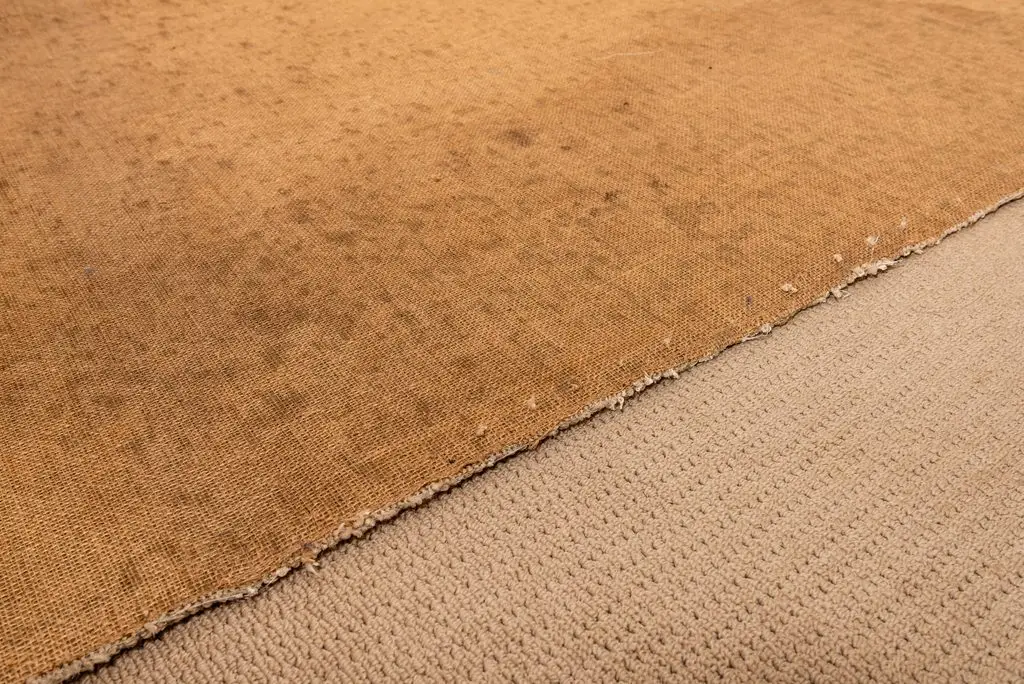
Depending on the materials and the conditions in which it develops, mold may appear as dark, greenish, gray, or other discolored patches on the underside of carpet, the padding, or the subfloor. However, you should keep in mind that stains and discoloration are not always definitive proof of mold, and hidden growth may not be visible until the carpet is lifted.
Pulling Up the Carpet Does Not Tell the Whole Story
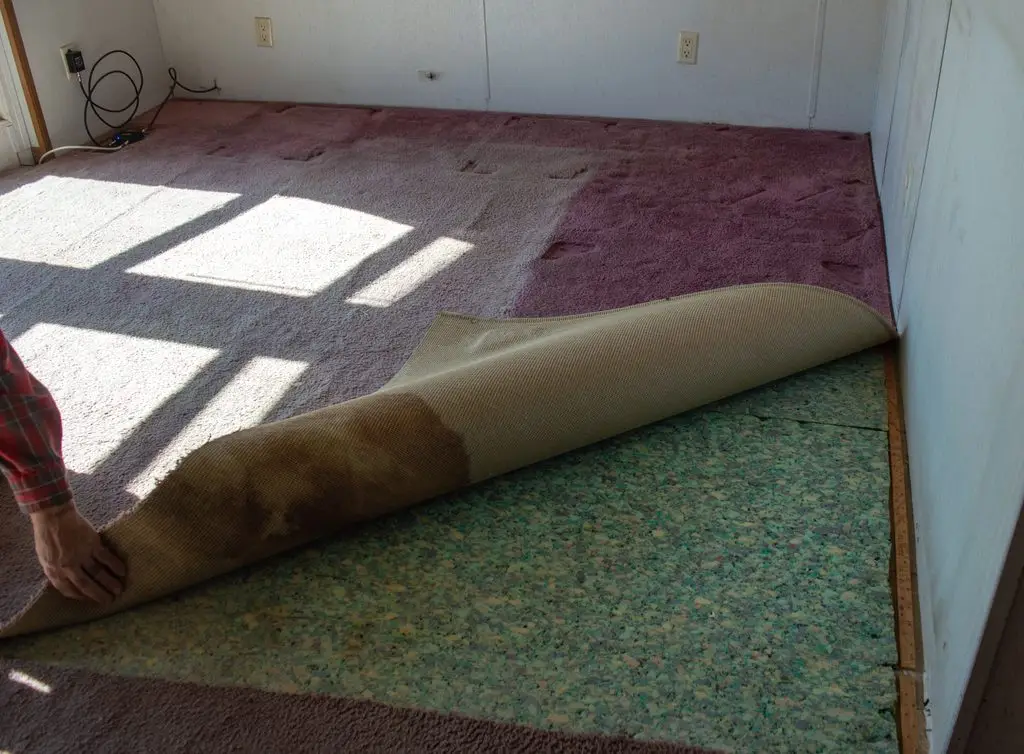
In some cases, lifting the carpet may reveal whether the padding or subfloor has visible staining, dampness, or suspected mold growth. However, the carpet itself is only one part of the flooring assembly, meaning the visible area may not give a comprehensive look at the problem at hand.
Moisture can affect several aspects of flooring, including:
- Carpet padding – This porous padding can absorb water and retain moisture. When mold growth or contamination is present, replacement may be necessary.
- Subflooring – Wood subfloors can remain damp and develop mold or start to break down. Although it does not deteriorate the same way, concrete can also remain moist and support surface growth.
- Tack strips and flooring edges – These areas can also retain moisture and may be affected by growth or water damage.
- Baseboards and drywall – Water can travel from the floor into adjacent building materials, potentially creating additional areas that need assessment.
- Nearby concealed spaces – Moisture may extend beneath adjoining flooring or into wall cavities, depending on where the water originated.
The components above are why simply removing a stained section of a carpet may not always resolve the problem the homeowner is dealing with. The appropriate response depends on the water source, the affected materials, the extent of contamination, and whether the moisture problem has been corrected.
Let Professionals Handle Potentially Contaminated Carpets
Homeowners should avoid pulling up large areas of potentially contaminated carpet by themselves because disturbing affected materials can release particles into the air, and an uncontrolled cleanup may spread contamination to other areas. Trained professionals use the proper safety equipment and follow time-tested protocols to complete this task safely.
Getting Clarity Before Hiring a Mold Contractor
Before approving mold removal or mold remediation, homeowners should understand what the contractor plans to do and why—a clear scope of work helps set expectations, makes estimates easier to compare, and reduces the chance of important tasks being overlooked.
What to Ask the Contractor
The table below features some important questions you can ask a contractor and how they help homeowners avoid common misconceptions regarding mold services.
| Question to Ask | What It Finds Out | Why It Is Important |
| How will you determine the extent of the suspected mold growth? | How the contractor will assess components like:
| Tailors expectations for how far the affected area may extend and what work may be needed |
| How will you identify the moisture source? | Whether the assessment will consider possible sources like:
| Ensures that the moisture source will be addressed to combat recurring mold growth |
| What will be cleaned, and what will be removed? | How decisions will be made based on factors like:
| Clarifies which materials may be salvageable and which may need to be removed |
| How will you protect unaffected areas? | What precautions will be used during removal and cleanup to limit the spread of things like:
| Ensures that steps are being taken to reduce the risk of spreading contaminants |
| What is included in the estimate? | Whether the price includes all aspects of the service, including:
| Facilitates comparing estimates and identifying potential additional costs |
| What happens if you find additional damage? | How the contractor will do things like:
| Helps prevent unexpected charges and misunderstandings during the project |
| What documentation will I receive? | Whether they will provide information like:
| Makes sure you will receive a record of the work and its findings for future reference |
The Cheapest Cleanup May Create a Bigger Problem
When household budgets are tight, it is understandable to compare estimates and look for ways to reduce remediation costs. However, the lowest initial bid does not necessarily represent the lowest overall cost. If an estimate excludes important work, homeowners may end up paying for additional investigation, repairs, or remediation later.
An incomplete cleanup may leave contaminated padding or other affected materials in place. For instance, a contractor might remove the visible carpet without investigating moisture beneath the subfloor, or clean a surface without addressing the hidden leak that caused the problem. Unfortunately, if mold or moisture remains, the issue may return and require more extensive work.
Moreover, improper removal methods can cause affected materials to spread mold-containing dust or debris into otherwise unaffected areas. A reputable contractor like Alpha Environmental will execute the necessary containment and work practices based on the size and nature of the affected area, the materials involved, and the specific conditions at the property.
Choose a Dependable Specialist
Before choosing a contractor after a flood, leak, or other moisture-related problem, compare the actual scope of work rather than the final price alone. A thorough estimate should explain how the moisture source will be investigated, how affected areas will be protected, which materials may need removal, and how the completed work will be documented—this is the type of transparency and attention-to-detail that our team exhibits.
With decades of experience, Alpha Environmental Services has become a dependable resource for homeowners in the Portland metro area dealing with mold under carpets. Our skilled team certainly knows how to test for mold under carpet and give property owners peace of mind or help them devise a plan to restore their property to a safe condition.
If you have experienced water damage, noticed a persistent musty odor, or discovered possible mold beneath your flooring, contact our team today to discuss your concerns.