
Executive Summary
- Some plumbing code violations are relatively minor installation issues, while others impact sanitation, water quality, and the long-term performance of your system.
- The most common plumbing code violations involve improper venting, inadequate pipe support, missing backflow protection, incorrect drain slopes, and water heater installation errors.
- Older homes and commercial buildings in the Portland metro area may have plumbing systems that were installed under previous building codes, making professional inspections valuable before property transactions or renovations.
- You should hire licensed plumbers who help you obtain permits when required and address plumbing deficiencies early on to keep your plumbing system safe, efficient, and compliant with Oregon’s plumbing specialty code.
Not Every Code Violation Is an Emergency
When a property owner hears they may have plumbing code violations, it is likely to raise an alarm. However, not every violation represents an immediate emergency that requires a large-scale repair.
It is rather common for plumbing inspections to reveal areas where the plumbing system no longer meets current installation standards or where repairs are recommended to improve safety and performance, especially in the older neighborhoods in the Portland metro area, like Irvington, Laurelhurst, Ladd’s Addition, and Sellwood.
Some of the most common plumbing code violations require only minor corrections, such as properly supporting a section of piping or replacing an incorrect fitting. Others may reveal conditions that increase the risk of water damage, contamination, sewer gas intrusion, or premature plumbing failure.
The guide below can help you tailor your expectations so you can make informed decisions if any plumbing code violations pop up during your inspection.
Introduction to Oregon Plumbing Codes
Throughout Oregon, plumbing installations are regulated under the Oregon Plumbing Specialty Code (OPSC), which was last updated in 2023. The OPSC was adopted and is enforced by the Oregon Building Codes Division. These statewide standards establish minimum requirements for everything from pipe sizing and drainage slopes to fixture installations, venting, water heaters, and backflow prevention.
Top 5 Most Common Plumbing Code Violations in Oregon
The plumbing code violations that inspectors in Oregon encounter most frequently are:
- Improper venting, such as missing, undersized, or incorrectly installed vent pipes
- Improper drain pipe slope, whether it is too much or too little slope
- Water heater installation deficiencies, including improper temperature and pressure (T&P) relief valve, expansion tank, or seismic strapping
- Missing backflow prevention devices when the property has a potential cross-connection with the public drinking water supply
- Improperly supported piping that is lacking adequate hangers
Where Plumbing Code Violations Are Commonly Found
Many common plumbing code violations are discovered in the parts of a building where plumbing systems work the hardest, including the areas below.
Kitchens
Kitchen plumbing systems combine water supply lines, drainage piping, venting, and multiple appliance connections, making them one of the most common places inspectors discover plumbing problems.
Some examples of plumbing code violations that can be found in the kitchen are:
- Improper dishwasher drain connections or missing air gaps
- Incorrectly installed garbage disposals
- Improperly sloped or vented drain pipes
- Missing cleanouts
- Use of unapproved plumbing materials
Unfortunately, even small installation mistakes in the kitchen can affect drainage performance and increase the risk of wastewater contamination.
Bathrooms
Bathrooms contain numerous plumbing fixtures connected to shared drainage and vent systems.
Six of the most common plumbing code violations inspectors identify in Oregon bathrooms are:
- Improper toilet installations
- Missing or improperly configured P-traps
- Inadequate venting
- Incorrect drain pipe slopes
- Loose fixture connections
- Improper shower or tub drain installations
Since multiple fixtures often connect to the same drainage system, one improperly installed component can affect the performance of the entire bathroom.
Rooms with Water Heater
Sometimes, plumbing code violations can be traced back to your last water heater replacement because this household appliance is subject to several important safety requirements that inexperienced plumbers have been known to miss.
To ensure code compliance during a water heater inspection, seasoned plumbers often run through a checklist of questions like:
- Has the temperature and pressure relief valve been installed correctly?
- Does the discharge pipe terminate at an approved location?
- Have expansion tanks been installed where required?
- Does the water heater meet Oregon’s seismic bracing requirements?
- Have shutoff valves and water supply connections been installed correctly?
Depending on the placement and type of water heater, the licensed inspector may have to confirm additional information. For example, if the water heater is gas-fired, they have to ensure it has proper combustion air and venting. They may also have to check if drain pans were installed to help protect the structure from water damage, but only if it is in an attic, floor-ceiling assembly, or a similar location where a leak could cause damage.
Utility Areas
Utility rooms often expose more plumbing components than finished living spaces, giving inspectors the opportunity to evaluate things like:
- Water shutoff valves
- Hose bibb connections
- Water softener installations
- Laundry plumbing
- Backflow prevention devices
- Pipe insulation
Since these areas are often modified during renovations, they can reveal workmanship issues that may not be visible elsewhere in the building.
Drainage Systems
Since drain systems depend on gravity, proper venting, and accurate pipe sizing to carry wastewater safely away from the building, the OPSC establishes requirements for these four things:
- Drain slope
- Vent sizing
- Pipe materials
- Cleanout placement
Accordingly, some of the most common drainage-related deficiencies include drain piping with insufficient or excessive slope, improperly sized drain lines, missing cleanouts, and inadequate vent connections. Many of these issues develop when new plumbing is connected to older systems after additions or remodeling projects.
What Inspectors Look for Beyond Visible Plumbing
A plumbing inspection evaluates how the entire plumbing system functions together, assessing everything from the water supply and drainage pipes themselves to how well they are supported, connected to fixtures, and safeguarded from backflow.
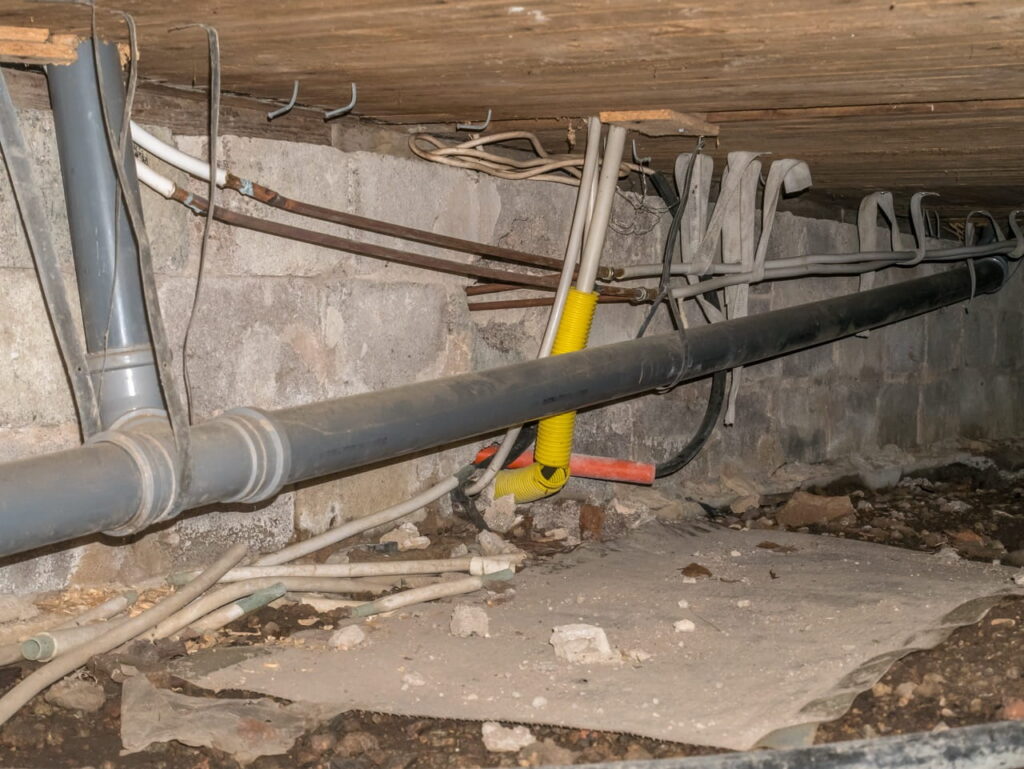
This often requires the professional to check places that are hidden from everyday view, such as:
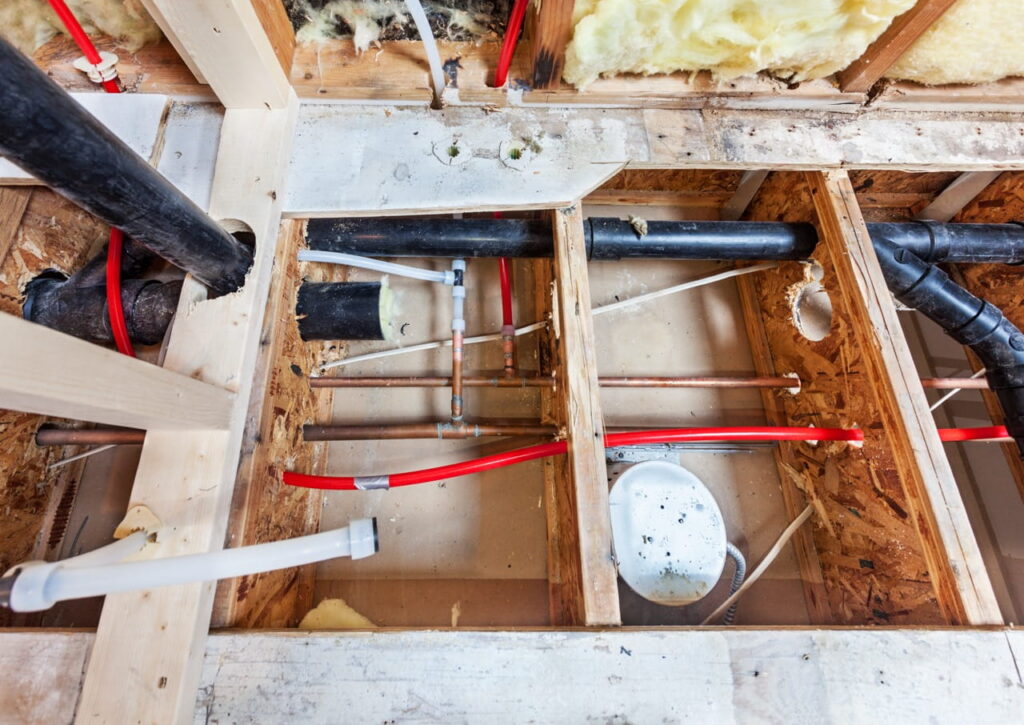
- Behind drywall and within wall cavities
- Above finished ceilings
- Under flooring and concrete slabs
- Inside crawl spaces
As a result, the inspector may learn that a sink that appears to drain properly may still have improperly installed venting hidden inside the wall, or maybe supply piping has been installed with incorrect materials or improper connections, even though no one noticed low water pressure in the house.
Permits Are Another Common Inspection Issue
One of the most overlooked causes of plumbing code violations involves plumbing work completed without the proper permits. Most experienced, licensed plumbing contractors will handle permitting on their client’s behalf, but it is still helpful for property owners to know what plumbing services do or do not require permits.
The table below distinguishes when a residential building permit is typically required and when it usually isn’t, according to Oregon’s BCD.
| Permit Likely Required | Permit May Not Be Required |
| Replacing a water heater (contractors may obtain a minor label permit for streamlined approval) | Repairing or replacing a sink, toilet, showerheads, rain gutters, downspouts, or faucet that is not concealed in a wall |
| Altering plumbing piping inside walls, ceilings, or beneath floors, and plumbing work for new installations | Resurfacing shower walls or regrouting tile |
| Emergency repair, alteration, or replacement of concealed freeze-damaged or leaking piping when new piping exceeds five feet | Adding to or altering an irrigation system with an existing approved backflow device |
| Remodeling or additions that require relocating existing plumbing, including building sewers, water service lines, or rain drains connected to the wastewater collection system | Installing a water filter or a water feature/exterior hot tub that is filled using a hose |
| Installing a plumbed water feature | Replacing a hose bibb |
In Oregon, many plumbing projects require permits and inspections through the local building authority before work begins. However, sometimes unpermitted plumbing work doesn’t become apparent until a thorough home inspection, property sale, insurance claim, or future remodeling project uncovers deficiencies.
When a Code Violation May Point to a Bigger Problem
Not every plumbing deficiency exists in isolation. In many cases, one visible issue can indicate a much larger problem hidden elsewhere in the system—some examples of violations that may take substantial time and energy to address are:
- Hidden water leaks
- Aging or deteriorating piping
- Poor drainage design
- Improper workmanship during previous repairs or remodeling
- Plumbing modifications completed without permits
For example, an inspector may discover improperly supported drain piping in a crawl space. While adding additional pipe supports addresses the immediate code violation, further evaluation may reveal the pipe has begun sagging due to improper installation of other components that should be looked into and remedied to avoid issues like recurring drain clogs.
Why Older Properties Often Require Closer Evaluation
Anyone who has been to Irvington, Laurelhurst, Ladd’s Addition, or Sellwood can confirm that the Portland metro area is home to neighborhoods filled with beautiful historic houses, mid-century homes, and commercial buildings that have served the community for decades.
While many older plumbing systems in these districts continue functioning surprisingly well according to the homeowner, age alone increases the likelihood of discovering common plumbing code violations during inspections. For buyers, sellers, and property owners planning improvements, evaluating an older plumbing system before construction starts can reduce delays, unexpected expenses, and future inspection issues.
Outdated Materials or Installation Methods
Older properties may contain materials or installation methods that are no longer commonly used today, such as:
- Galvanized steel water supply pipes
- Older cast iron drain piping
- Polybutylene piping in certain homes
- Aging shutoff valves or corroded fittings
- Improper vent configurations
- Outdated fixture connections
Many of these systems continue operating for years, but they often become more susceptible to corrosion, leaks, pressure problems, and reduced water flow as they age.
Systems that Appeal to Varying Codes
Homes that have undergone multiple remodeling projects over several decades sometimes contain plumbing installed by different contractors using different code editions and installation practices. Professional inspections help determine which portions of the plumbing system continue performing well and which areas may benefit from upgrades before future renovations begin.
Are Old Plumbing Systems Illegal?
Older plumbing isn’t automatically “illegal.” Many systems in the greater Portland area are considered grandfathered, meaning they complied with the plumbing code that was in effect when they were originally installed. However, grandfathered does not always mean problem-free.
Some situations that may force older plumbing systems to be upgraded are:
- Major remodeling projects
- Occupancy changes
- Plumbing fixture relocation
- The construction of additions
- Significant repairs
- The uncovering of safety hazards
During these situations, portions of the plumbing system often must comply with the current OPSC from 2023.
How to Reduce the Risk of Future Code Violations
Although plumbing codes evolve over time, many future plumbing code violations can be avoided through proper planning. Some ways property owners can reduce the risk of unexpected repairs and make remodeling projects smoother are:
- Hire licensed plumbers – Licensed Oregon plumbers like those at Alpha Environmental complete extensive education, apprenticeship training, and state licensing requirements before performing plumbing work.
- Obtain permits when required – Permits provide an additional layer of quality assurance by allowing inspectors to verify that plumbing work complies with applicable code requirements before the project is completed.
- Document previous plumbing work – Keeping organized records of plumbing repairs, inspections, permits, warranties, and maintenance helps future plumbers understand your system’s history.
- Schedule routine plumbing inspections – Many plumbing issues develop gradually over several years. Periodic inspections allow licensed plumbers to identify developing concerns before they become plumbing emergencies.
- Perform preventive maintenance – Regular maintenance also helps extend the life of plumbing systems while reducing the likelihood of future code deficiencies.
As to that last bullet point, make sure you are routinely flushing your water heaters, monitoring water pressure, and cleaning drains before major blockages develop. Professionals can help you with more labor-intensive maintenance tasks like replacing aging plumbing components before failure occurs.
Protect Your Property with Professional Plumbing Inspections
While plumbing code violations don’t always indicate an emergency, they can reveal issues that affect safety, efficiency, and long-term plumbing performance. Don’t worry, though; professional inspections help identify deficiencies early so they can be corrected before they lead to larger repairs or costly property damage.
Whether you’re purchasing an older home, planning renovations, or simply want peace of mind, Alpha Environmental Services can help with comprehensive plumbing inspections and code compliance evaluations throughout Portland and the surrounding communities. Our experienced team can identify potential issues and conduct efficient plumbing violation fixes.
Contact Alpha Environmental Services today to schedule a professional plumbing inspection or code compliance evaluation.