
Key Takeaways
- When home repiping is best – When you have plumbing issues that are not isolated to specific sections or fixtures, you may need to replace all the old and damaged water supply pipes on the property with a brand-new system.
- Common signs a home needs repiping – Recurring leaks, corrosion, low water pressure, discolored water, and plumbing problems in multiple areas can mean there is widespread deterioration throughout the supply piping.
- Repiping cost factors – Home size, fixture count, pipe material, accessibility, labor, plumbing layout, permits, and the amount of restoration required all impact the cost of repiping a home.
Knowing When It Is Time for Home Repiping
It is always unfortunate when pipes develop leaks or their connections fail, but fortunately, you can solve many common plumbing problems by having a professional replace just a small section of the system, which can be relatively quick and affordable. However, if your plumbing complications are recurring and affect several parts of your residential property, you may benefit from full-scale home repiping.
Although the cost of repiping a home is typically higher than isolated repairs, it can provide better long-term value when several parts of the plumbing system have been compromised. Consulting a licensed plumber is the best way to confirm what solution is best based on your specific situation, but as a homeowner, you can still start tailoring your expectations by keeping a lookout for common signs a home needs repiping, like discolored water from multiple fixtures or widespread pressure problems.
The guide below will teach you about potential indicators to look out for and the factors that go into repiping cost so that you can make informed decisions.
What Pipe Problems You Should Keep an Eye On
Although every situation is unique, some of the most common signs a home needs repiping are:
- Recurring leaks
- Corrosion
- Persistent low water pressure
- Discolored water
The issues above are particularly concerning when they occur in different areas or involve multiple sections of the water-supply piping.
Pay Attention to Patterns
The location and frequency of these problems matter just as much as the problems themselves. For example, a leak beneath one sink is drastically different from leaks that appear in bathrooms, kitchens, utility areas, and other parts of the home simultaneously. Additionally, if a professional plumber makes individual repairs and you still notice problems, they may need to come back and evaluate whether the piping has a larger issue.
This does not mean every recurring plumbing problem requires whole-home replacement. A professional plumbing inspection can help determine whether the pattern points to widespread pipe deterioration or several unrelated plumbing issues.
What Causes the Need for Water Repiping in Portland
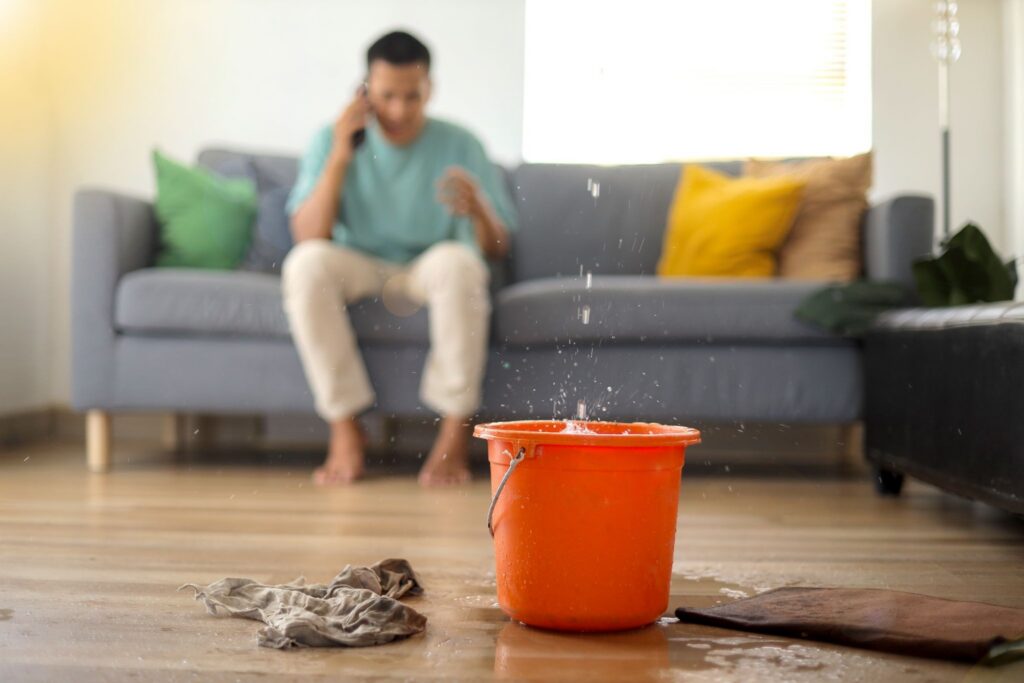
General pipe deterioration is one of the leading causes why many homeowners in the Portland metro area require whole-home repiping. Unfortunately, homeowners cannot easily see deterioration, as supply lines usually run behind walls, beneath floors, through crawl spaces, or across ceilings. The visible plumbing fixtures may appear to be functioning normally even when concealed piping has begun to corrode or deteriorate, making frequent plumbing inspections the best way to prevent large-scale complications.
During a plumbing inspection, a plumber can evaluate accessible piping, fixtures, pressure, previous repair locations, and other factors to determine whether a problem can be solved with an isolated solution or whether the investment of repiping your home would be worth it.
Repairing Individual Pipes vs. Repiping
Home repiping involves a much broader scope. Instead of continuing to replace individual failed sections, a plumber replaces the home’s existing water-supply piping throughout the property. This can address widespread deterioration and reduce the likelihood of some of the top plumbing emergencies seen in greater Portland.
When Is Repairing Individual Pipes Better than Repiping
The right solution depends on factors like:
- Pipe material
- Current condition
- Repair history
- Water quality
- Plumbing layout
- Pattern of failures
For instance, if one section of pipe has failed and the surrounding piping remains in good condition, repairing or replacing that section may be the most reasonable approach. However, repeated repairs become more difficult to justify when failures are occurring throughout the home. Opting for individual repairs in this scenario may address the immediate problem, but it can leave other aging or deteriorating sections of the system in place.
Work with Honest Plumbers
Alpha Environmental Services always delivers candid, experience-based recommendations on plumbing services that respect your property and wallet.
What Whole-Home Repiping Actually Involves
Whole-home repiping means replacing the existing water-supply piping that delivers water to fixtures throughout the house. Rather than continuing to repair individual sections as they fail, the project addresses the supply piping as a complete system.
The process generally follows these five steps:
- Assessment of the existing plumbing system – To determine the project’s scope, the plumber evaluates the pipe material, condition, layout, accessible and concealed piping, previous repairs, and experienced symptoms.
- Accessing the existing piping – Depending on the home’s construction, pipes may be accessible through crawl spaces, attics, utility areas, or openings, but some sections can only be accessed through walls, ceilings, or floors.
- Plan how replacement lines will be routed – The approach will be laid out in a detailed plan that satisfies the requirements established in Portland’s Title 25 Plumbing Regulations and other applicable plumbing codes.
- Thoughtful execution of the plan – The existing supply piping is then replaced with new piping selected for the project and installed according to applicable requirements.
- Comprehensive review of the system – Once the work is completed, the new system is thoroughly tested to identify hidden leaks and confirm proper operation.
Why Every Approach Is Unique
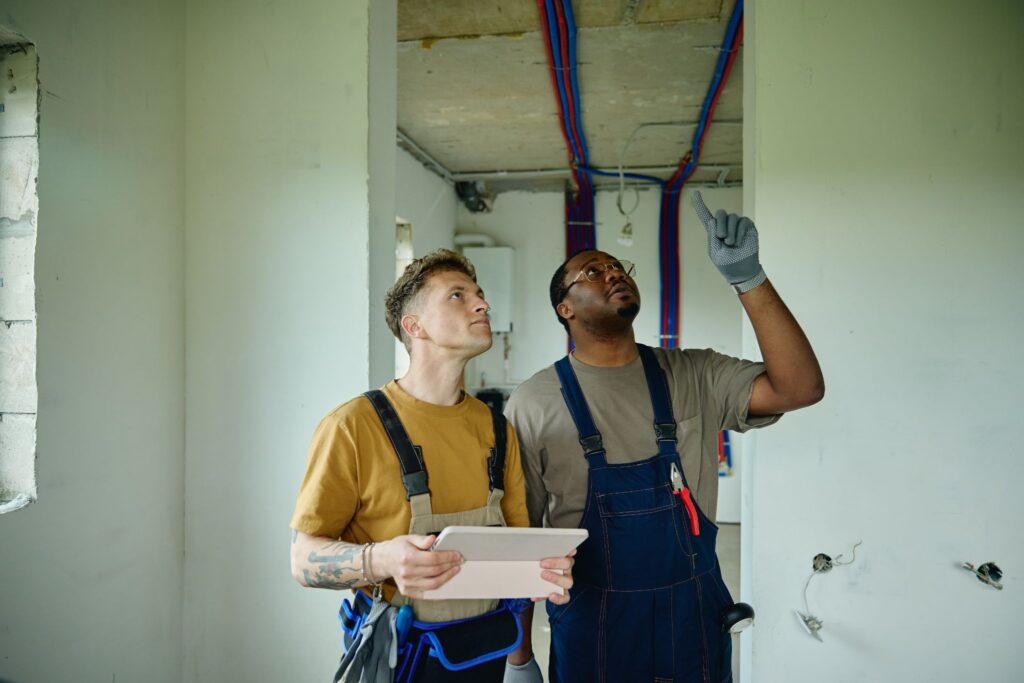
The best way to repipe a house depends on its individual construction and plumbing layout. Some specific factors that may affect how a plumber addresses home repiping are:
- Home size
- Fixture count
- Pipe routing
- Accessibility
- The condition of the existing system
Therefore, a two-story home with limited access can require a very different approach from a single-story home with an accessible crawl space.
The Average Cost of Repiping
On average, professional house repiping in the United States can cost anywhere from $2,000 to $22,000, but there is no single repiping cost that applies to every home, so you should get a quote from a commercial plumber in Portland who can tailor the expenses to your situation.
What Determines the Cost of Repiping?
The cost of repiping a home depends on the amount of piping being replaced and how difficult that piping is to access, remove, and install.
The table below breaks down the most noteworthy factors that can influence the total project cost.
| Cost Factor | How It Can Affect Repiping Cost |
| Home size and fixture count | Larger homes and homes with more fixtures generally require more piping and labor |
| Pipe material and layout | Material selection and the complexity of routing new lines can affect material and installation costs |
| Accessibility and restoration | Difficult-to-access pipes can require additional labor, as walls or floors may need to be opened and restored |
| Permits and code-related requirements | Some plumbing permits cost significantly more than others depending on the project scope, the number of fixtures, and municipal fees |
It is essential for homeowners to compare the complete scope of an estimate rather than choosing a plumber based solely on the headline repiping cost.
What to Ask Before Approving a Repiping Project
Before approving plumbing services, homeowners should understand exactly what the project includes and why it has been recommended—a detailed conversation with the plumber can help prevent confusion when comparing estimates.
Eight questions you should consider asking before home repiping are:
- Why do you recommend whole-home repiping instead of targeted repairs?
- What evidence shows that the existing piping is deteriorating?
- Are any existing pipes being left in place? If so, which ones and why?
- What pipe material will be installed?
- What areas of the home may need to be opened?
- Are permits and required inspections included?
- Does the estimate include patching or restoration after plumbing work?
- What additional costs could arise during the project?
These questions can reveal differences between two separate estimates that may not be obvious from their total prices. One plumber may include access work, permits, restoration, and replacement of more piping, while the other estimate may cover a narrower scope for a smaller upfront investment.

Choosing Whole-Home Repiping When It Is Right
If your plumbing problems are widespread, recurring, or linked to deterioration of the home’s underlying water-supply piping, it may be more practical to address the larger plumbing system with home repiping than trying to schedule a bunch of individual repairs.
Keep a lookout for common signs a home needs repiping, like recurring leaks, corrosion, low water pressure affecting multiple fixtures, discolored water, and multiple failures across the home’s plumbing system—these symptoms do not automatically mean repiping is necessary, but they warrant a broader evaluation to ensure there are no plumbing code violations.
Homeowners in the Portland metro area who are dealing with repeated plumbing problems can consult Alpha Environmental Services for clarity. After evaluating a plumbing system, our licensed plumbers can help identify an appropriate path forward that weighs the cost of repiping a home against its long-term value.
Contact Alpha today for peace of mind regarding your plumbing system.